80s Hip Hop Bands Pioneering Groups
- 1.
Who Were the Rap Groups in the 80s? Diggin’ Through the Golden Era
- 2.
What Hip-Hop Was Popular in the 80s? Beats, Rhymes, and Street Cred
- 3.
From Basement Cyphers to Billboard Charts: The Rise of Crew Culture
- 4.
Sampling, Scratching, and Sonic Innovation: How 80s Hip Hop Bands Built New Worlds
- 5.
Style, Swagger, and the Aesthetic of Authenticity
- 6.
Lyrics That Mattered: Consciousness, Comedy, and Street Chronicles
- 7.
Regional Flavors: East Coast Grit vs. West Coast Groove
- 8.
Breaking Barriers: How 80s Hip Hop Bands Crossed Over Without Selling Out
- 9.
Legacy in the Loop: How Today’s Artists Sample the Spirit of the 80s
- 10.
What Are Some Popular 80's Bands Beyond the Obvious Names?
Table of Contents
80s hip hop bands
Who Were the Rap Groups in the 80s? Diggin’ Through the Golden Era
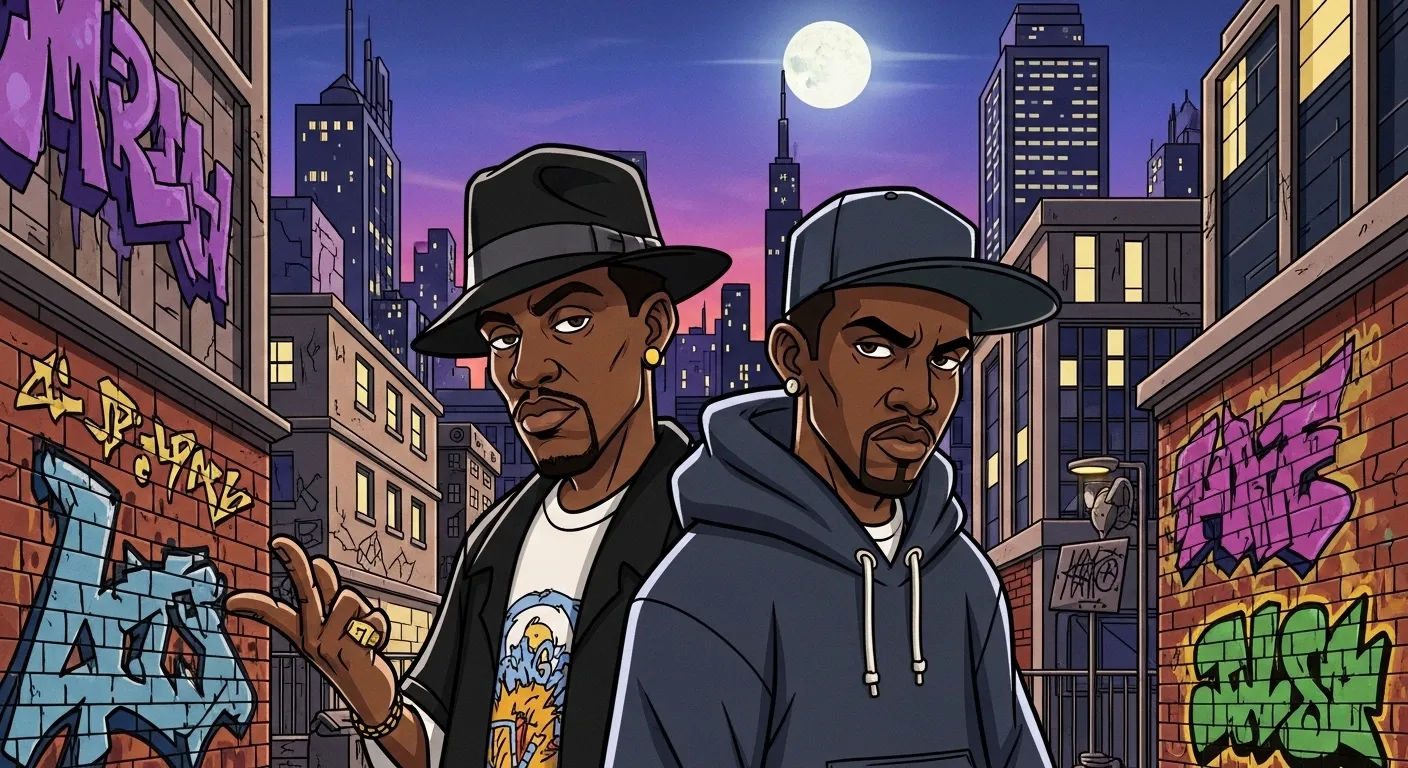
Aight, real talk—ever wonder who was droppin’ bars before your playlist knew your mood better than your therapist? Back in the ‘80s, hip hop wasn’t just music—it was a whole vibe, a full-on revolution bumpin’ through boom-bap beats and subway cars tagged head-to-toe like they were fresh outta a graffiti fever dream. The 80s hip hop bands weren’t just artists—they were culture-builders, stackin’ lyrical skyscrapers on concrete sidewalks from the Bronx to South Central. Crews like Run-D.M.C., Public Enemy, and the Beastie Boys? Nah, they weren’t just rapping—they were rewritin’ the rules with turntables and mic stands like it was their birthright. While pop radio was stuck on synth fluff, these cats were servin’ truth over drum machines like it was Sunday dinner at Grandma’s—no shortcuts, all soul.
What Hip-Hop Was Popular in the 80s? Beats, Rhymes, and Street Cred
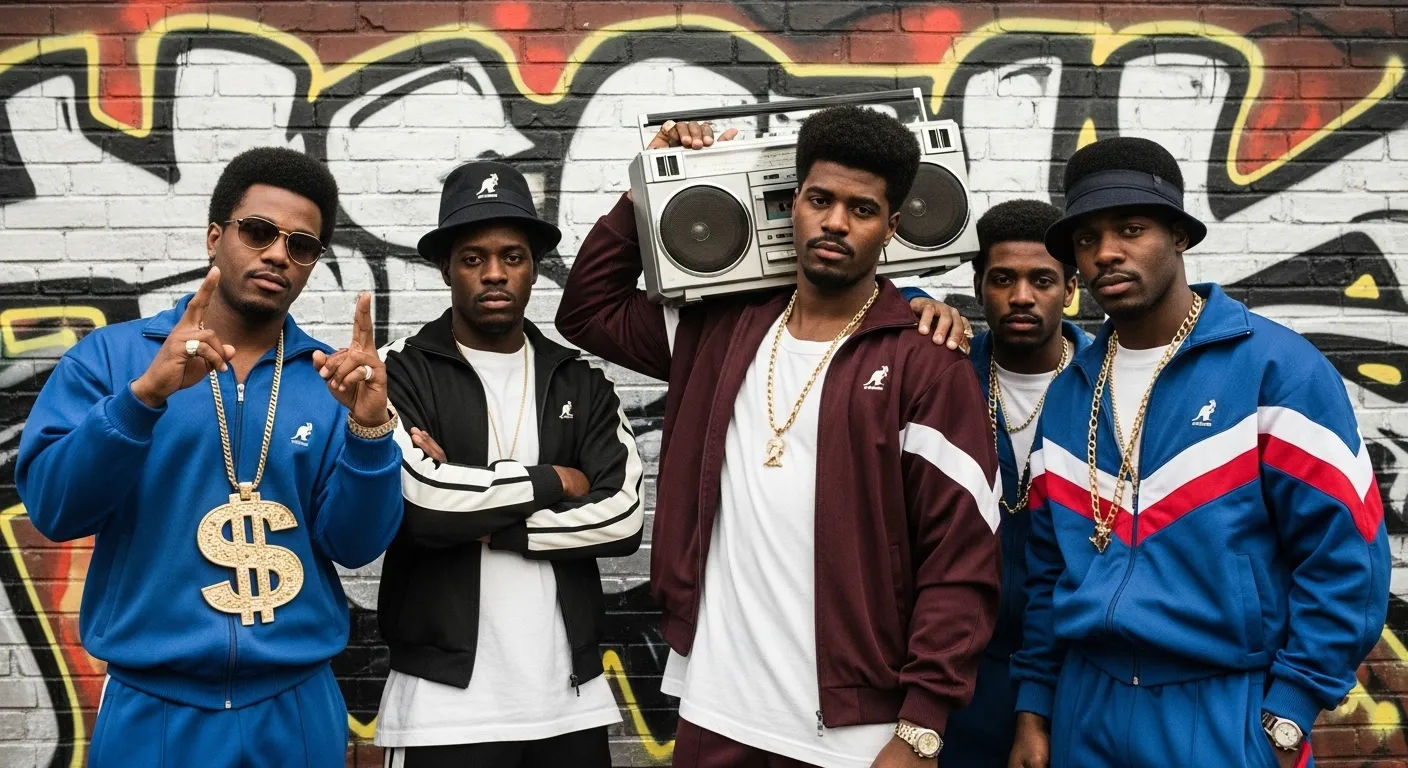
If “old school” to you means dusty crates and shell-toe Adidas, you’re spot-on—but that’s also where the heartbeat of 80s hip hop bands still thumps. This decade laid the whole blueprint: DJ Kool Herc cuttin’ breaks like a surgeon with a steady hand, Afrika Bambaataa mixin’ electro-funk like he brewed it in his grandma’s kitchen, and Grandmaster Flash spittin’ street sermons that hit harder than a Chicago wind in January. Tracks like “The Message” or “Walk This Way” weren’t just songs—they shook the whole block like a power outage on a summer night. And don’t even get me started on the fit: Kangol hats tilted just right, laces fat enough to double as jump ropes, and gold chains shinier than your cousin’s new rims off the lot. The 80s hip hop bands didn’t follow trends—they invented ‘em in backyard cyphers and block parties where your rep lived or died by your last bar.
From Basement Cyphers to Billboard Charts: The Rise of Crew Culture
Before TikTok clout and Instagram flexes, real rap rep came from corner bodegas, park jams, and basement sessions where your name could blow up—or get buried—in 16 bars flat. The 80s hip hop bands thrived in that raw, no-filter world. N.W.A. turned Compton streets into lyrical battlegrounds, while Boogie Down Productions schooled New York like it was summer school for revolutionaries with extra credit in truth-telling. These weren’t solo acts—they were squads, brotherhoods bonded by rhythm, rhymes, and resistance. Yeah, sometimes they beefed (shoutout to the Roxanne Wars), but that heat only kept the flame burnin’ hotter through Reagan-era America—when the mic was mightier than the morning news.
Sampling, Scratching, and Sonic Innovation: How 80s Hip Hop Bands Built New Worlds
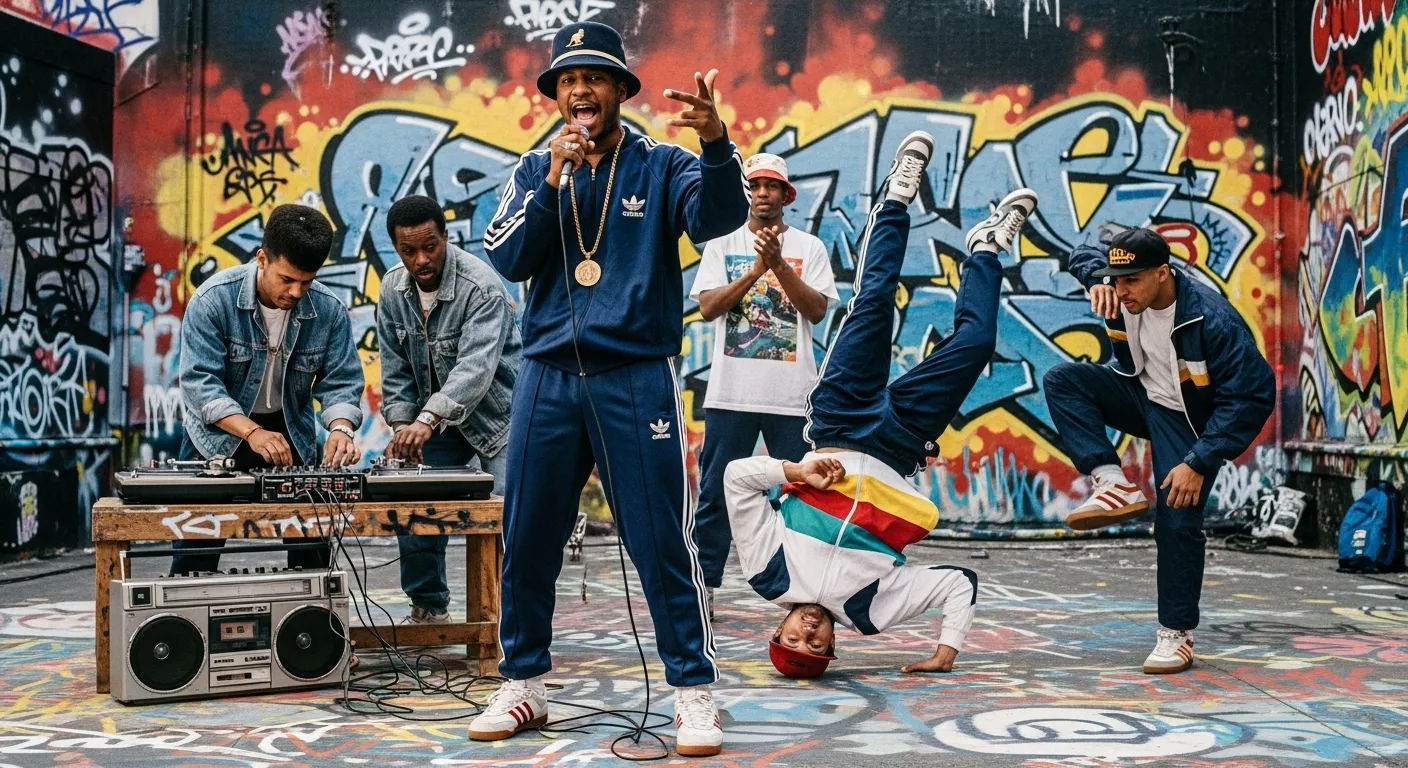
Yo, picture this: you cook up a whole new sound using James Brown grunts, Parliament basslines, and a drum machine cheaper than your lunch combo at the corner deli. That’s exactly what the 80s hip hop bands pulled off. Sampling wasn’t just technique—it was straight-up wizardry. Producers like Marley Marl and Rick Rubin chopped soul records like they were preppin’ Sunday gravy, layerin’ scratches and snares into sonic masterpieces that still slap today. The SP-1200? That was the holy grail—like finding a twenty in your winter coat come spring. Every kid in his garage dreamed of makin’ magic like the 80s hip hop bands who turned noise into narrative—and made the whole block nod along like they knew the plot twist.
Style, Swagger, and the Aesthetic of Authenticity
Let’s keep it 100—half the reason we still stan 80s hip hop bands is ‘cause they looked cooler than ice cubes in a martini. Baggy jeans? Check. Nameplate necklaces? Double check. But beyond the drip, it was the attitude: unbothered, rooted, and proudly local—like wearin’ your neighborhood on your sleeve, literally. Whether it was LL Cool J rockin’ a Kangol like he owned Fifth Ave or Salt-N-Pepa reppin’ for the queens in matching bomber jackets, the 80s hip hop bands wore their truth like armor. And that realness? Couldn’t be bought—only earned one bar at a time on your home turf, whether that was Bed-Stuy, Watts, or the Chi.
Lyrics That Mattered: Consciousness, Comedy, and Street Chronicles
Not every 80s hip hop band was out here preachin’ revolution—some just wanted you laughin’ or bobbin’ your head like you forgot your troubles at the door. De La Soul dropped quirky, jazz-laced wisdom with “Me Myself and I,” while Biz Markie turned clownin’ into high art with “Just a Friend”—man could break your heart and crack you up in the same verse. Then there was Rakim—smooth like butter on a hot biscuit—rewritin’ flow with internal rhymes so clean, Nas later said he “changed the game.” Whether political, playful, or poetic, the lyrics of 80s hip hop bands painted the full mural of city life—no filter, no cap, just pure sidewalk cinema.
Regional Flavors: East Coast Grit vs. West Coast Groove
Before the coasts went full-on beef mode in the ‘90s, the 80s hip hop bands planted the seeds with totally different flavors. East Coast? Think dense wordplay, jazz loops, and subway steel—Run-D.M.C., Eric B. & Rakim, and Boogie Down Productions brought that concrete poetry like they scribbled it on bodega napkins. Out West? It was funkier, sunnier, with basslines that rolled like lowriders on Sunset—shoutout to Too Short and early N.W.A. Even down South, Houston’s Geto Boys were whisperin’ warnings over slow-mo beats like they saw the future in a rearview mirror. The beauty of 80s hip hop bands? Same roots, different branches—each city tellin’ its own story like it was gospel.
Breaking Barriers: How 80s Hip Hop Bands Crossed Over Without Selling Out
When “Walk This Way” dropped in ’86, it wasn’t just a collab—it was a cultural handoff smoother than a Philly cheesesteak with whiz. Run-D.M.C. and Aerosmith proved that 80s hip hop bands could crack MTV without ditchin’ their shell toes or their soul. Same with the Beastie Boys’ “Licensed to Ill”—suddenly, kids in Ohio basements cared about mic control like it was algebra homework. But here’s the real tea: these crews didn’t water down their sound for the mainstream. They stayed true, and the world leaned in like, “Oh, this is what we’ve been missin’?” That’s the legacy of 80s hip hop bands: they opened the door wide—but never took off their kicks at the threshold.
Legacy in the Loop: How Today’s Artists Sample the Spirit of the 80s
Fast-forward to 2026, and you can still hear the echoes of 80s hip hop bands in everything—from Kendrick’s jazz-rap epics to Tyler, The Creator’s left-field flows that sound like your weird uncle’s record collection came alive. Producers like Madlib and The Alchemist are still diggin’ crates for those same golden-era breaks like they’re huntin’ treasure. Even fashion’s loopin’ back—shell suits? Back in rotation like it’s ‘87 and you just stepped outta a time machine lookin’ fresh as hell. The influence ain’t just nostalgia—it’s the foundation. Every time a rapper grabs the mic with purpose, they’re standin’ on shoulders built by the 80s hip hop bands who turned sidewalk poetry into global scripture.
What Are Some Popular 80's Bands Beyond the Obvious Names?
Sure, everybody knows Run-D.M.C.—but what about the slept-on legends? The 80s hip hop bands scene ran deeper than a Queens basement jam after midnight. Peep Ultramagnetic MCs’ mind-bendin’ flows, Stetsasonic’s live-band genius that sounded like a block party with a horn section, or Mantronix’s electro-rap experiments that sounded like the future on a budget and a dream. And don’t sleep on the queens: Queen Latifah’s “Ladies First” was feminist fire wrapped in bass, while MC Lyte’s “Paper Thin” shut down haters smoother than a Detroit coney dog on a Friday night. These acts might not be on every retro playlist, but they coded the DNA of 80s hip hop bands just as hard. For more deep cuts, peep our breakdown of Best Mobb Deep Songs Timeless Hits. Or explore the full spectrum at the Rap category. And if you’re new here, welcome to Raashan Net—where beats never retire and the crates stay dusty but gold.
Frequently Asked Questions
Who were the rap groups in the 80s?
The rap groups in the 80s—aka the golden era of 80s hip hop bands—included iconic names like Run-D.M.C., Public Enemy, Beastie Boys, N.W.A., Boogie Down Productions, Eric B. & Rakim, Salt-N-Pepa, and De La Soul. These crews laid the foundation for modern hip hop with innovative production, sharp lyricism, and undeniable street credibility.
What hip-hop was popular in the 80s?
Popular hip-hop in the 80s centered around boom-bap beats, socially conscious lyrics, and funk/electro sampling. Hits like “The Message” by Grandmaster Flash, “Walk This Way” by Run-D.M.C. and Aerosmith, and “Fight the Power” by Public Enemy defined the sound of 80s hip hop bands, blending party energy with political urgency.
What is the biggest hit of the 80's?
While pop charts were dominated by Michael Jackson and Madonna, in the realm of 80s hip hop bands, “Walk This Way” (1986) stands as the biggest crossover hit. It broke racial and genre barriers, topping charts and introducing hip hop to mainstream rock audiences—proving that 80s hip hop bands could move units without losing soul.
What are some popular 80's bands?
Beyond rock and pop, the most influential 80s hip hop bands include Run-D.M.C., Public Enemy, Beastie Boys, N.W.A., LL Cool J (as a solo act with crew ties), and Salt-N-Pepa. These groups didn’t just make music—they shifted culture, fashion, and language, cementing hip hop as a global force by the decade’s end.
References
- https://www.rockhall.com/inductees/run-dmc
- https://www.npr.org/2020/08/11/900801385/how-public-enemy-changed-the-sound-of-political-protest
- https://www.billboard.com/music/music-news/beastie-boys-licensed-to-ill-30th-anniversary-7564021/
- https://www.britannica.com/art/hip-hop