Ll Cool J Songs 80s Classic Hits

- 1.
“I Can’t Live Without My Radio”: The Anthem That Lit Up the Bronx
- 2.
Rock the Bells: Where Swagger Met Substance
- 3.
Radio (1985): The Debut That Changed Everything
- 4.
“I Need Love”: The Ballad That Broke the Mold
- 5.
The Fashion, the Flair, and the Kangol Crown
- 6.
Bigger and Deffer: The Album That Cemented a Legend
- 7.
Lyricism vs. Street Cred: Walking the Tightrope
- 8.
The Rivalries That Fueled the Fire
- 9.
Legacy in the Grooves: Why These Tracks Still Bump
- 10.
From Queens to Global Icon: The Cultural Ripple Effect
Table of Contents
ll cool j songs 80s
“I Can’t Live Without My Radio”: The Anthem That Lit Up the Bronx
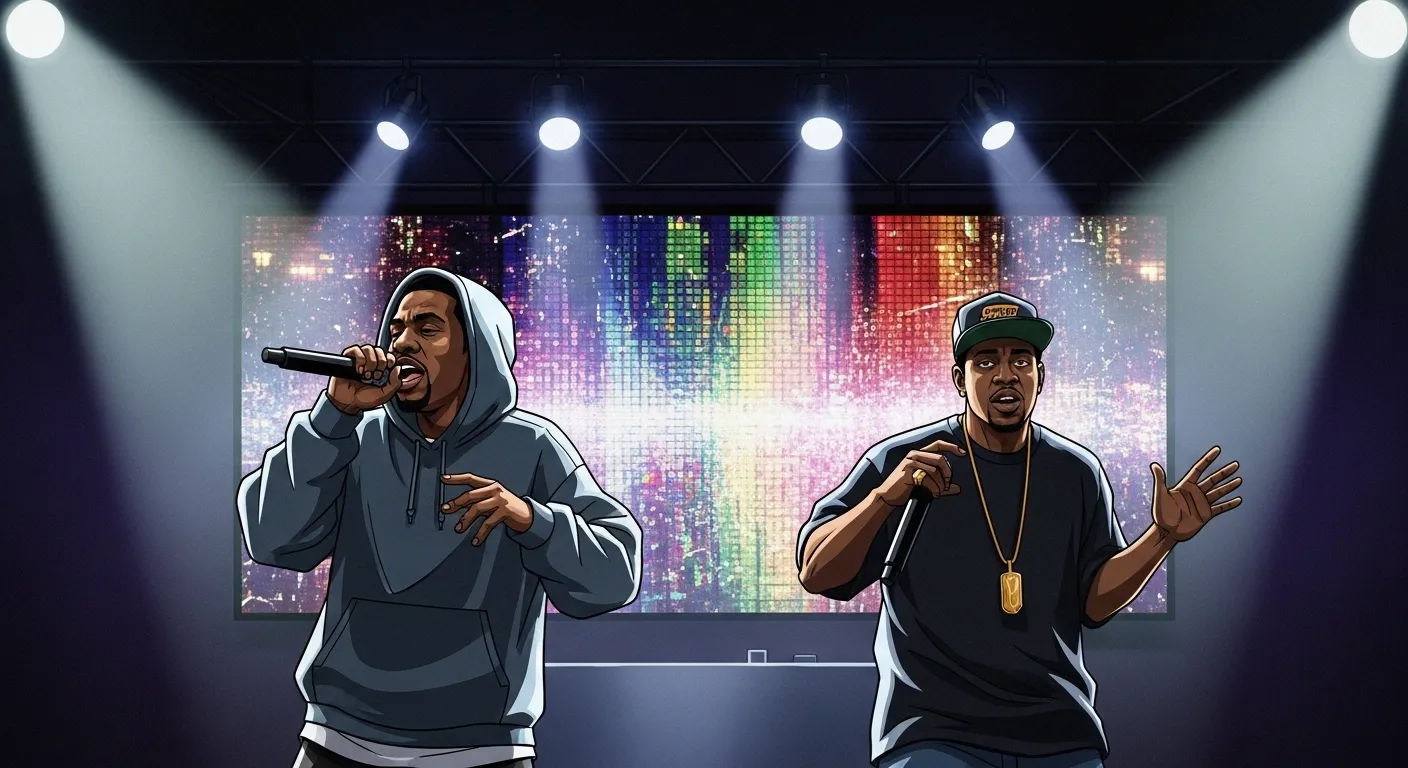
Yo, ever tried to imagine New York City in the mid-80s without boomboxes blaring on every corner? Nah, neither can we—and that’s ’cause LL Cool J dropped “I Can’t Live Without My Radio” like a sonic Molotov into the concrete jungle. This track wasn’t just a song; it was a declaration of independence for hip-hop kids who carried their sound systems like armor. When James Todd Smith—yeah, that’s LL’s real name, y’all—rapped, “The radio is my weapon, my cassette is the bullet,” he wasn’t playin’. For a whole generation, that box on your shoulder was your identity, your rebellion, your heartbeat. And that’s the magic of ll cool j songs 80s: they didn’t just soundtrack the streets—they *were* the streets. Loud, proud, and unapologetically Black.
Rock the Bells: Where Swagger Met Substance
Let’s talk about “Rock the Bells”—not just a banger, but a blueprint. With its minimalist beat, cowbell clang, and LL’s razor-sharp flow, this 1985 cut proved you didn’t need a million layers to knock a track outta the park. He wasn’t just rapping; he was flexing lyrical muscle while wearing a Kangol and Adidas shell toes like battle gear. The line “Don’t call it a comeback—I been here for years” might’ve blown up later, but the attitude started right here. What made ll cool j songs 80s so revolutionary was how they balanced bravado with vulnerability—like when he admits, “I’m young, I’m gifted, and I’m Black / But I still get turned down by girls in the back.” Real talk wrapped in rhyme. That’s the juice.
Radio (1985): The Debut That Changed Everything
When Rick Rubin and Russell Simmons launched Def Jam Recordings, they needed a flagship artist—and LL Cool J was that rocket. His debut album *Radio* wasn’t just good; it was seismic. Clocking in at under 30 minutes, it’s lean, mean, and packed with enough energy to power Manhattan for a week. Tracks like “You’ll Rock” and “Dear Yvette” showed range—from hard-hitting braggadocio to tender love letters over drum machines. Critics called it “raw,” “urgent,” even “dangerous.” And honestly? They weren’t wrong. ll cool j songs 80s from this era didn’t ask for permission—they kicked down the door and claimed the mic. Fun fact: *Radio* was the first full-length hip-hop album released on a major label (Columbia). Mic drop before mics were even wireless.
“I Need Love”: The Ballad That Broke the Mold
Now hold up—before you think LL was all fists and fury, let’s rewind to 1987’s “I Need Love.” This joint flipped the script harder than a Harlem handstand. Over a smooth synth groove, LL crooned about wanting romance, not just conquests: “I need love, tender, kissy, kissy love.” Gasp! A rapper admitting he’s soft?! In the 80s?! But that’s what made it genius. It humanized him—and by extension, hip-hop. Suddenly, dudes could be tough *and* sensitive. Girls played it on repeat. Parents stopped side-eyeing rap quite so hard. “I Need Love” became LL’s first Top 40 hit and remains one of the most iconic ll cool j songs 80s precisely because it dared to be different. Vulnerability as strength? Yeah, he invented that lane.
The Fashion, the Flair, and the Kangol Crown
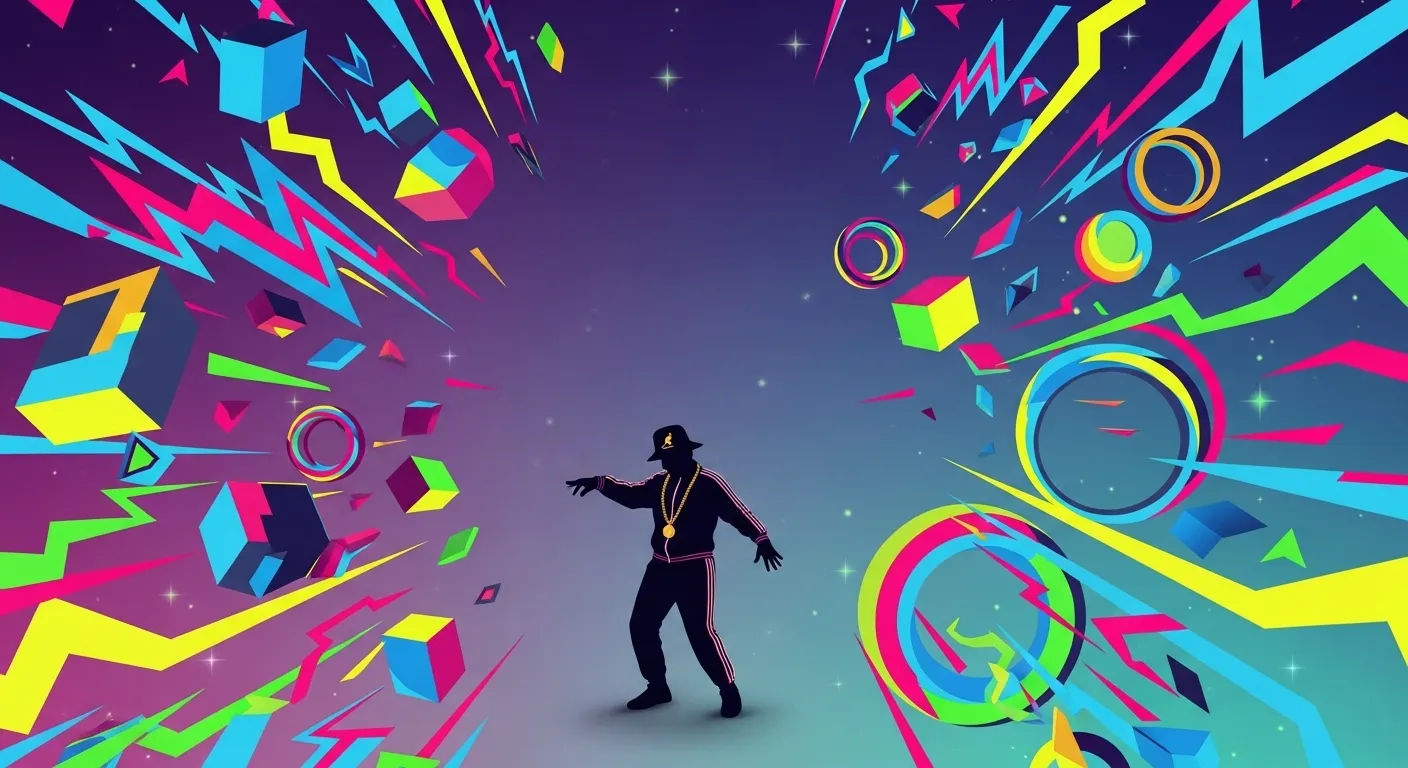
You couldn’t talk about ll cool j songs 80s without mentioning the *look*. LL didn’t just wear clothes—he curated a vibe. Kangol hats tilted just so, gold chains glinting under streetlights, tracksuits that said “I’m fresh but I’ll still knock you out.” His style was as integral to his art as his rhymes. Remember that photo of him shirtless on the *Bigger and Deffer* cover? Pure charisma. He made swagger visual. And it wasn’t just fashion—it was identity. In a decade where hip-hop was fighting for visibility, LL’s aesthetic screamed, “We belong here.” Every pose, every lyric, every strut was a statement. Culture wasn’t just reflected in his music—it *was* his music.
Bigger and Deffer: The Album That Cemented a Legend
If *Radio* was the spark, *Bigger and Deffer* (1987) was the wildfire. Certified platinum, packed with hits, and dripping with confidence, this album showed LL wasn’t a one-hit wonder—he was a force. Beyond “I Need Love,” tracks like “Go Cut Creator Go” paid homage to DJ Kool Herc and the roots of hip-hop, while “Get Down” kept the party lit. But what really set it apart was LL’s command. He flowed like water over concrete—smooth but unstoppable. The ll cool j songs 80s on this record weren’t just popular; they were foundational. They taught a generation how to walk, talk, and think like kings. And yeah, that title? Pure LL cheekiness. He wasn’t just bigger—he was *deffer*. (Yeah, we know it’s “better,” but slang don’t care about spelling, baby.)
Lyricism vs. Street Cred: Walking the Tightrope
Here’s the thing about LL in the 80s: he had to balance being a poet and a street prophet. On one hand, he’s dropping multisyllabic rhymes like “My precision is scissors-like, slicin’ through fakers”; on the other, he’s warning rivals, “Don’t make me have to call my crew.” It was a delicate dance—too soft, and you lose the block; too hard, and you lose the charts. But LL? He nailed it. His ll cool j songs 80s lived in that sweet spot where intellect met instinct. He proved rap could be smart *and* street, romantic *and* ruthless. That duality didn’t just define his career—it shaped hip-hop’s future. Without LL’s blueprint, would we have Nas? Kendrick? Maybe not.
The Rivalries That Fueled the Fire
Let’s not sleep on the beefs, y’all. LL’s 80s run wasn’t all smooth sailing—there was tension with Kool Moe Dee, who accused him of being “soft” after “I Need Love.” Their back-and-forth (peaking in 1987’s “How Ya Like Me Now”) wasn’t just personal—it was philosophical. Was hip-hop about love or war? Sensitivity or survival? Those clashes pushed LL to sharpen his pen and double down on his vision. Even the infamous red Kangol diss (Kool Moe Dee wore one on his album cover to mock LL’s signature look) became legend. Truth is, those rivalries made ll cool j songs 80s fiercer, smarter, hungrier. Conflict breeds creativity—and LL turned drama into diamonds.
Legacy in the Grooves: Why These Tracks Still Bump
Fast-forward to 2026, and you still hear “Rock the Bells” in commercials, “I Need Love” in rom-coms, and “Radio” samples in underground beats. Why? ‘Cause ll cool j songs 80s weren’t trendy—they were timeless. They captured a moment but spoke to eternity. LL’s voice had that rare mix of warmth and grit, his flows felt conversational yet complex, and his themes—love, pride, struggle, joy—never go outta style. Plus, let’s be real: that Def Jam production (shoutout Rick Rubin) was *clean*. Minimal drums, crisp vocals, no fluff. You could hear every syllable, every breath. That clarity made the emotion hit harder. These songs weren’t just heard—they were *felt*.
From Queens to Global Icon: The Cultural Ripple Effect
LL Cool J didn’t just put Queens on the map—he helped put hip-hop on the world stage. Before MTV fully embraced rap, LL was breaking barriers with charisma and crossover appeal. His success opened doors for everyone from Run-D.M.C. to Salt-N-Pepa. And today? His influence echoes in every rapper who blends melody with message, style with substance. If you’re geekin’ out over old-school vibes like we are, swing by Raashan for more deep dives, check out our Rap section for genre breakdowns, or explore our piece on Lupe Fiasco Mixtapes Hidden Gems to see how that legacy evolved. Because the story of ll cool j songs 80s isn’t just history—it’s living, breathing culture.
Frequently Asked Questions
What is LL Cool J's biggest hit?
While LL Cool J had several major hits, “I Need Love” (1987) stands as his biggest commercial success from the 80s, reaching No. 14 on the Billboard Hot 100 and becoming the first rap ballad to achieve mainstream pop success. Among his ll cool j songs 80s, it remains the most iconic crossover hit.
What was the biggest hit song of the 80s?
According to Billboard, the biggest hit song of the 1980s was “Billie Jean” by Michael Jackson. While LL Cool J’s tracks like “I Need Love” and “Rock the Bells” were massively influential in hip-hop, they didn’t top the overall decade-end chart. Still, within the rap genre, ll cool j songs 80s were among the most groundbreaking and widely recognized.
What was Jessie J's biggest hit?
Jessie J’s biggest hit is “Domino,” which reached No. 6 on the Billboard Hot 100 in 2012. However, this question is unrelated to LL Cool J. For context on 80s hip-hop, focus on ll cool j songs 80s like “I Need Love” and “Rock the Bells,” which defined a generation of rap music.
What was LL Cool J's first big hit?
LL Cool J’s first big hit was “I Can’t Live Without My Radio,” released in 1985 as part of his debut album *Radio*. The track became an instant street anthem and established him as a leading voice in hip-hop. Alongside “Rock the Bells,” it cemented the early impact of ll cool j songs 80s on the emerging rap scene.
References
- https://www.rollingstone.com/music/music-lists/best-ll-cool-j-songs-104567/
- https://www.billboard.com/charts/year-end/1980s/hot-100-songs/
- https://www.npr.org/2021/11/15/1055678901/ll-cool-j-radio-album-oral-history
- https://www.rockhall.com/inductees/ll-cool-j