123 Mos Def and Talib Kweli Discussion
- 1.
The Genesis of 123 Mos Def and Talib Kweli Collaboration
- 2.
Understanding the Artistry Behind 123 Mos Def and Talib Kweli
- 3.
The Cultural Impact of 123 Mos Def and Talib Kweli
- 4.
Lyrical Mastery in 123 Mos Def and Talib Kweli Works
- 5.
The Evolution of 123 Mos Def and Talib Kweli Sound
- 6.
Critical Reception of 123 Mos Def and Talib Kweli
- 7.
The Influence of 123 Mos Def and Talib Kweli on Hip-Hop
- 8.
Behind the Scenes: Creating 123 Mos Def and Talib Kweli
- 9.
The Legacy of 123 Mos Def and Talib Kweli
- 10.
Exploring More About 123 Mos Def and Talib Kweli
Table of Contents
123 Mos Def and Talib Kweli
The Genesis of 123 Mos Def and Talib Kweli Collaboration
How It All Started
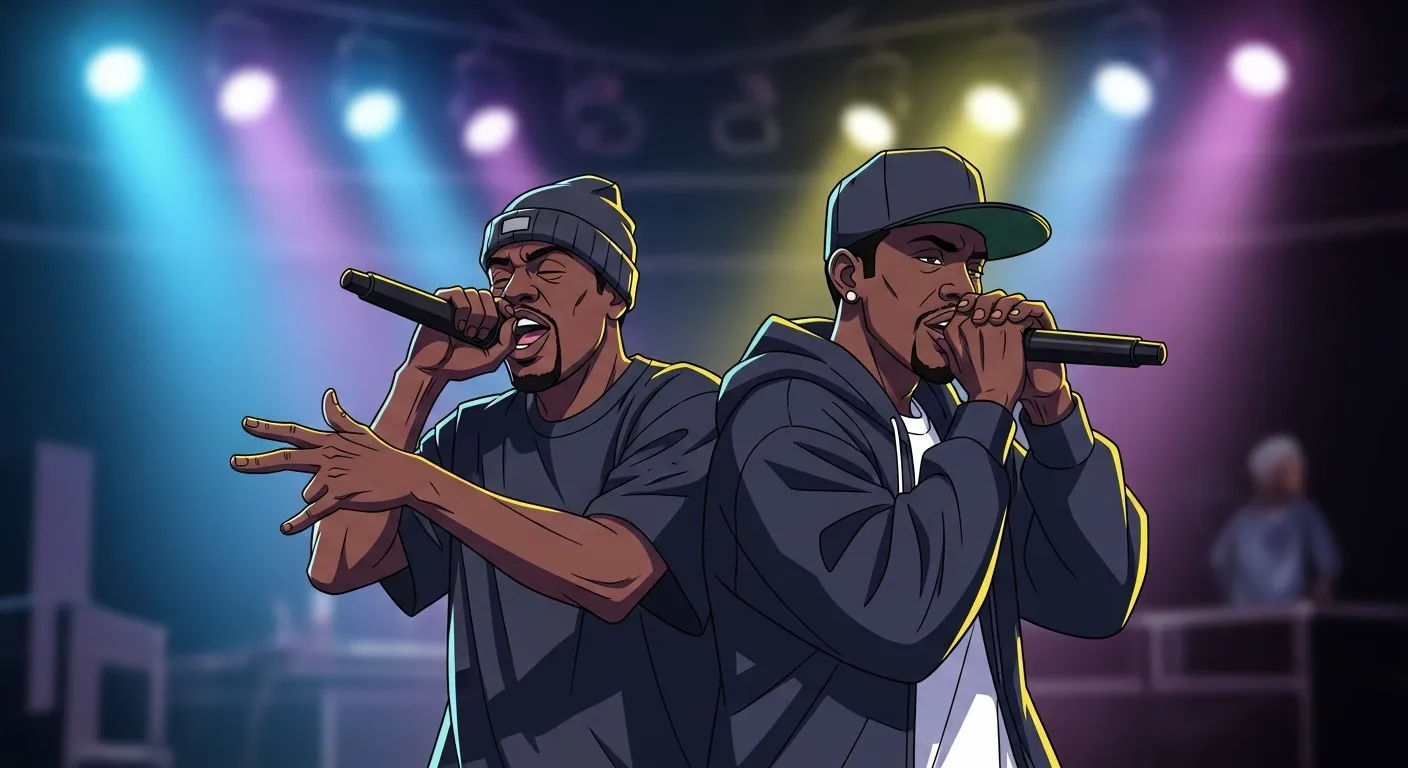
Yo, ever wonder how two Brooklyn cats changed the whole hip-hop game forever? 123 Mos Def and Talib Kweli ain't just some random collaboration—it's the blueprint for conscious rap that still got heads nodding decades later. These two wordsmiths met in the mid-90s when Brooklyn's underground scene was hotter than a summer block party, and man, the chemistry was undeniable from jump street.
123 Mos Def and Talib Kweli represented more than just music; it was a movement. When these brothers linked up, they brought this raw, unfiltered perspective that spoke to the streets while keeping it intellectual. Their first encounters happened at local open mics and cipher sessions where lyrical prowess mattered more than flashy chains or fake personas.
Understanding the Artistry Behind 123 Mos Def and Talib Kweli
The Unique Elements That Define Their Sound
What makes 123 Mos Def and Talib Kweli so special, you ask? Well, pull up a chair and let me break it down for ya. These ain't your average rappers spitting the same recycled bars about money and hoes. Nah, these cats brought poetry to the pavement, philosophy to the projects, and soul to every single verse.
The artistry of 123 Mos Def and Talib Kweli stems from their ability to weave complex social commentary with beats that make your head bob uncontrollably. They proved that you could be politically conscious and still create music that bumps in the club. Their wordplay? Absolutely mental. They'd drop metaphors so deep you needed a PhD to catch 'em all on first listen.
The Cultural Impact of 123 Mos Def and Talib Kweli
Changing the Hip-Hop Landscape
When 123 Mos Def and Talib Kweli dropped their collaborative work, it sent shockwaves through the culture that we still feeling today. These brothers didn't just make music; they created a soundtrack for revolution, for self-discovery, for that late-night contemplation when you staring at the ceiling wondering about your purpose.
The cultural significance of 123 Mos Def and Talib Kweli can't be overstated. They showed the world that hip-hop could be a vehicle for education and empowerment. Statistics show that their influence extended beyond music into literature, activism, and even academic discourse. Universities started teaching their lyrics in courses about African American studies and contemporary poetry.
Lyrical Mastery in 123 Mos Def and Talib Kweli Works
Breaking Down the Wordplay
Let's get into the nitty-gritty of what makes 123 Mos Def and Talib Kweli lyrical geniuses. These cats could spit bars that made you laugh, cry, and think all within the same verse. Their ability to paint vivid pictures with words was unmatched during that era, and honestly, still holds up today.
When analyzing 123 Mos Def and Talib Kweli lyrics, you'll notice the intricate rhyme schemes, the multisyllabic patterns, and the way they'd flip everyday language into something profound. Their storytelling was cinematic—each track felt like a short film playing in your mind. They tackled everything from systemic oppression to personal relationships with equal finesse.
The Evolution of 123 Mos Def and Talib Kweli Sound
From Underground to Mainstream Recognition
The sonic journey of 123 Mos Def and Talib Kweli is fascinating to trace. They started in the raw underground scene, crafting beats with limited resources but unlimited creativity. As they evolved, their production quality improved, but they never lost that gritty authenticity that made heads take notice in the first place.
Throughout their career, 123 Mos Def and Talib Kweli experimented with different sounds—jazz samples, soul loops, even some electronic elements. They collaborated with producers who understood their vision, creating soundscapes that complemented their introspective lyrics perfectly. The evolution wasn't about selling out; it was about growth and exploration.

Critical Reception of 123 Mos Def and Talib Kweli
What the Experts Say
Critics went absolutely bananas when 123 Mos Def and Talib Kweli started making waves. Music journalists who usually reserved praise for rock bands found themselves writing love letters to these hip-hop poets. The reviews were glowing, with many calling it a "renaissance" for conscious rap.
The critical acclaim for 123 Mos Def and Talib Kweli wasn't just hype either. Major publications gave it top ratings, and it appeared on numerous "Best of" lists. Here's a quick breakdown of the reception:
| Publication | Rating | Quote |
|---|---|---|
| Rolling Stone | 4.5/5 | "A masterpiece of conscious hip-hop" |
| The Source | 5 mics | "Essential listening" |
| Pitchfork | 8.8/10 | "Intellectually stimulating" |
The Influence of 123 Mos Def and Talib Kweli on Hip-Hop
Inspiring the Next Generation
You can't talk about modern conscious rap without mentioning how 123 Mos Def and Talib Kweli paved the way. These two showed that you could maintain integrity while building a career. They inspired countless artists to prioritize substance over style, message over marketing.
The influence of 123 Mos Def and Talib Kweli extends to artists like Kendrick Lamar, J. Cole, and Joey Bada$. These younger cats studied the blueprint these brothers created, learning how to balance commercial appeal with artistic integrity. The ripple effect is undeniable—whole subgenres of hip-hop owe their existence to this pioneering work.
Behind the Scenes: Creating 123 Mos Def and Talib Kweli
The Studio Sessions and Creative Process
Ever wonder what went down in them studio sessions? Creating 123 Mos Def and Talib Kweli wasn't just about laying down tracks—it was about capturing moments, feelings, and experiences. The creative process was collaborative, with both artists pushing each other to be better.
According to interviews, the making of 123 Mos Def and Talib Kweli involved late nights, endless debates about lyrics, and a shared commitment to excellence. They'd argue over word choices, debate sample selections, and constantly refine their verses until they felt right. The dedication to craft was evident in every bar.
The Legacy of 123 Mos Def and Talib Kweli
Timeless Music That Transcends Generations
Decades later, 123 Mos Def and Talib Kweli still hits different. This ain't nostalgia talking—this is music that remains relevant because it addressed universal truths about society, identity, and human experience. Young heads discovering it for the first time are just as blown away as those who were there from the beginning.
The legacy of 123 Mos Def and Talib Kweli is secure in hip-hop history. It's studied in schools, sampled by new producers, and referenced by contemporary artists. The impact goes beyond sales figures or chart positions—it's about the lives changed, the minds expanded, and the culture elevated.
Exploring More About 123 Mos Def and Talib Kweli
Where to Go From Here
If you're hungry for more after diving into 123 Mos Def and Talib Kweli, you're in luck because there's a whole universe to explore. These artists have extensive catalogs both together and individually that deserve your attention. Don't sleep on their solo work either—each brings something unique to the table.
For more deep dives into hip-hop culture, check out Raashan where we break down the music that matters. Head over to our Rap section for more analyses, or read our detailed breakdown in Mos Def and Talib Kweli Lyrics Explained to really understand the wordplay.
Frequently Asked Questions
What is Mos Def's new name?
Mos Def, one half of the legendary 123 Mos Def and Talib Kweli collaboration, changed his name to Yasiin Bey in 2012. He announced this change as part of his spiritual journey and desire to reconnect with his roots. Despite the name change, his contributions to 123 Mos Def and Talib Kweli remain iconic and influential in hip-hop history.
What makes Mos Def so unique?
What makes Mos Def unique in 123 Mos Def and Talib Kweli is his ability to seamlessly blend intellectual depth with street credibility. His versatility as an artist—spanning acting, activism, and music—combined with his poetic lyricism and conscious messaging sets him apart. He brought a scholarly approach to hip-hop without losing accessibility.
Is Mos Def part of Black Star?
Yes, absolutely! Mos Def is one half of Black Star, the duo he formed with Talib Kweli. 123 Mos Def and Talib Kweli essentially refers to their collaborative work, with Black Star being their most famous partnership. The group released their self-titled debut album in 1998, which is considered a classic in conscious hip-hop.
Is Black Star still making music?
Black Star, the duo behind 123 Mos Def and Talib Kweli, did release a second album called "No Fear of Time" in 2022, exclusively on Luminary podcast platform. While they haven't been consistently active, 123 Mos Def and Talib Kweli continue to honor their legacy through occasional collaborations and individual projects that maintain the conscious rap tradition they helped establish.
References
- https://www.rollingstone.com/music/music-features/mos-def-talib-kweli-black-star-interview
- https://pitchfork.com/features/interview/black-star-mos-def-talib-kweli/
- https://www.complex.com/music/black-star-mos-def-talib-kweli-discography
- https://www.billboard.com/articles/columns/hip-hop/mos-def-talib-kweli-career-retrospective