A Tribe Called Quest Album Art Creative Visions
- 1.
What Makes “A Tribe Called Quest” Album Art So Damn Iconic?
- 2.
How Jazz Aesthetics Shaped Their Visual Identity
- 3.
The Midnight Marauders Guide: When Album Art Became a Character
- 4.
Typography as Rebellion: Why Fonts Matter in Hip-Hop
- 5.
Color, Contrast, and the Soul of New York City
- 6.
Collaboration Over Ego: The Unsung Designers Behind the Covers
- 7.
From Cassette to Streaming: Does Album Art Still Matter?
- 8.
Misconceptions and Myths: What People Get Wrong About Their Covers
- 9.
Cultural Echoes: How Tribe Inspired Generations of Artists
- 10.
Where to Dive Deeper Into the Legacy of Tribe’s Visual World
Table of Contents
a tribe called quest album art
What Makes “A Tribe Called Quest” Album Art So Damn Iconic?
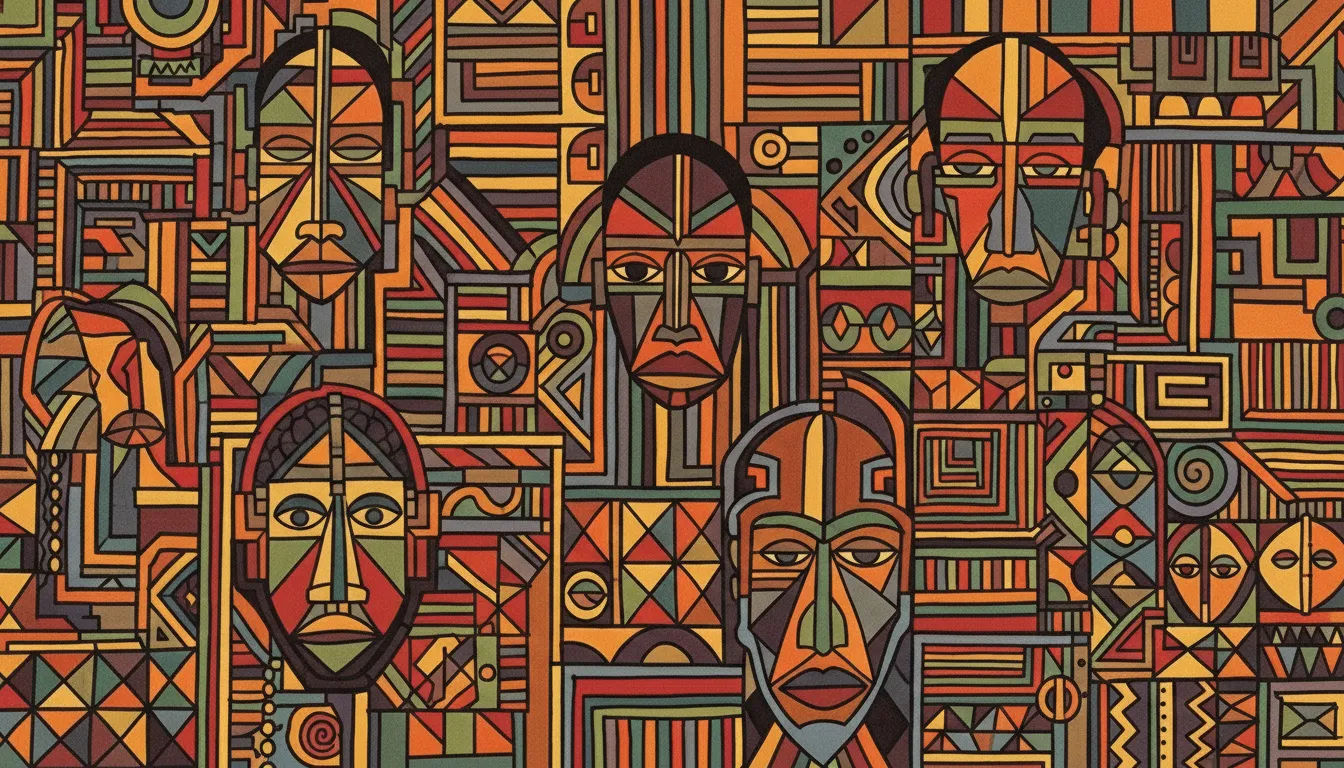
Ever looked at an album cover and felt like it was low-key judging your life choices? That’s the power of a tribe called quest album art. Nah, this ain’t just some random Canva template slapped on cardboard—it’s full-on visual storytelling, man. From the cool, stripped-down jazz energy of The Low End Theory to the funky, streetwise chaos of Midnight Marauders, every sleeve is like a front door into their whole sonic neighborhood. Tribe didn’t just drop tracks—they dropped *vibes* that stuck harder than gum under a Queens bus seat. And let’s keep it 100: in today’s world of TikTok thumbnails and AI-generated junk, a tribe called quest album art still cuts through like a sax solo in a silent subway car.
How Jazz Aesthetics Shaped Their Visual Identity
The Midnight Marauders Guide: When Album Art Became a Character
Hold up—Midnight Marauders didn’t just come with a cover. Nah, bro. It came with a *personality*. Enter the “Guide,” that smooth-talking robot lady (voiced by none other than Consequence’s mom) who walks you through the liner notes like your ride-or-die from the block. The a tribe called quest album art here? A grainy, noir-style shot of a woman holdin’ a boombox, eyes locked on yours like she already knows your top five Spotify Wrapped tracks. Urban. Mysterious. Real as hell. This wasn’t packaging—it was world-building. And that woman? She became the face of the whole movement. Now *that’s* what you call iconic.
Typography as Rebellion: Why Fonts Matter in Hip-Hop
Let’s geek out for a hot sec: ever notice how the font on People’s Instinctive Travels and the Paths of Rhythm looks like it was scribbled in a spiral notebook during third-period algebra? That ain’t lazy—that’s *intentional*. Back when hip-hop started getting shiny and corporate, Tribe doubled down on the raw, the rough-around-the-edges, the human touch. The a tribe called quest album art used fonts that felt like graffiti tags off a Bronx train or stickers slapped on a mailbox in Bed-Stuy—gritty, urgent, alive. While everyone else chased gloss, Tribe whispered, “Nah, we keep it street.” And that quiet rebellion? It’s baked into every single letter.
Color, Contrast, and the Soul of New York City
New York don’t play nice. Gray skies, yellow cabs, brick walls tagged in electric blue—that’s the color palette Tribe pulled from like they were shopping at a bodega at 3 a.m. Their a tribe called quest album art never screamed for attention. Nah, it leaned into contrast: deep blacks against crisp whites, muted tones that gave the music room to breathe. There’s a reason their visuals feel like strolling through Harlem at golden hour—warm but sharp, familiar but layered. It’s NYC in JPEG form, y’feel me?
Collaboration Over Ego: The Unsung Designers Behind the Covers
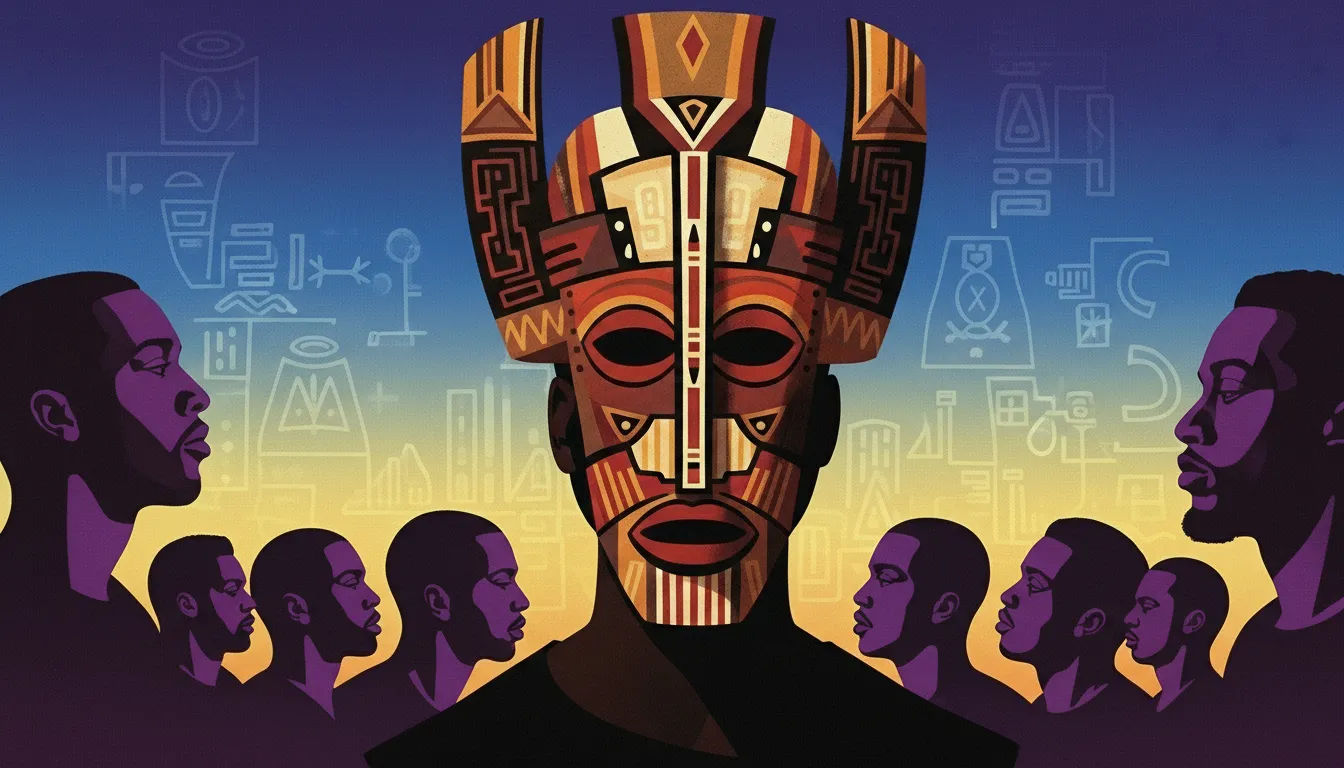
Big shoutout to the real MVPs—the designers who turned Tribe’s vision into vinyl gold. Legends like Cey Adams (co-founder of Def Jam’s visual squad) and the late, great Ron Norsworthy helped shape the look of a tribe called quest album art without ever needing a spotlight or a TikTok fan page. These weren’t solo acts—they were visual cyphers. Tribe trusted ‘em like Q-Tip trusted his MPC. And that trust? You can *see* it. Every cover feels like a conversation between sound and sight—not some boardroom mandate from a label exec in a $3,000 suit.
From Cassette to Streaming: Does Album Art Still Matter?
In the age of Spotify thumbnails smaller than a gummy bear, does a tribe called quest album art even translate? Hell yeah—it *demands* attention. ‘Cause when you shrink their covers, the simplicity *glows*. No clutter, no fake 3D effects, no AI-generated nonsense. Just soul. And truth? That’s why fans still blow these images up on Instagram, frame ‘em in college dorms, or even ink ‘em on their skin. In a digital blur, Tribe’s art stays crystal clear—a reminder that hip-hop was never just something you heard. It was always something you *saw*, too.
Misconceptions and Myths: What People Get Wrong About Their Covers
Alright, let’s clear the air: no, Suki Baby ain’t rockin’ any a tribe called quest album art—that’s a whole other rabbit hole (we’ll get into that in the FAQ). And no, the Midnight Marauders lady ain’t just some random model off a casting call; she’s the spirit of the everyday hip-hop head. Folks often think Tribe’s art was “thrown together real quick,” but nah—it was carefully curated like your grandma’s Sunday potluck. Every shadow, every crop, every font choice? All on purpose. They weren’t just making albums—they were crafting heirlooms. And calling that careless? That’s like saying Hendrix’s solos were “just noise.”
Cultural Echoes: How Tribe Inspired Generations of Artists
Peep the shelves of any indie rapper today—chances are, you’ll spot a nod to a tribe called quest album art. From Earl Sweatshirt’s abstract minimalism to Noname’s poetic layouts, Tribe’s DNA is everywhere. Even K-pop rappers like Camo cite their visual restraint as major inspo—shoutout to our homie over at Camo Korean Rapper Unique Flow. Why? ‘Cause Tribe proved you don’t need explosions, celebs, or CGI dragons to make a cover unforgettable. Sometimes, all you need is a mic, a mood, and a message that hits like a late-night drive through LA.
Where to Dive Deeper Into the Legacy of Tribe’s Visual World
If you’re hungry for more than just pixels and paper, start at the source. Swing by the Rap section of Raashan Net for deep dives into golden-era aesthetics. Or lose yourself in fan archives, museum exhibits, and even academic papers dissecting how a tribe called quest album art rewrote the rules of hip-hop’s visual language. Trust us—once you see it, you can’t unsee it. And honestly? You won’t wanna.
Frequently Asked Questions
Why is Suki Baby the album cover?
Hold up—Suki Baby isn’t on any a tribe called quest album art. That mix-up probably comes from Danzig’s *Danzig III: How the Gods Kill*, where the cover features a painting by H.R. Giger. Suki Baby is actually a nickname tied to that artwork, not Tribe. Tribe’s covers stayed firmly rooted in urban realism and jazz minimalism, far from sci-fi horror aesthetics.
Who is the artist on the Danzig 3 album cover?
The haunting, biomechanical beauty on Danzig 3 was painted by Swiss surrealist H.R. Giger—the same visionary behind *Alien*’s xenomorph. While this piece has nothing to do with a tribe called quest album art, it’s often confused due to internet lore. Tribe’s visual world? Entirely different galaxy—earthbound, soulful, and deeply human.
Who is the woman on the Herb Alpert album?
Ah, the infamous *Herb Alpert’s “Whipped Cream & Other Delights”* cover! That’s model Dolores Erickson, covered in (non-edible) whipped cream. Again—not related to a tribe called quest album art, but a classic example of 60s pop titillation. Tribe’s approach was the anti-spectacle: no gimmicks, just gaze and gravity.
What is the most iconic album cover ever?
While lists vary, a tribe called quest album art—especially *The Low End Theory* and *Midnight Marauders*—consistently ranks among the most influential in hip-hop history. Critics from Rolling Stone to Pitchfork hail their covers as masterclasses in minimalism and mood. In a genre often obsessed with flash, Tribe’s quiet confidence made their visuals timeless.
References
- https://www.rollingstone.com/music/music-lists/best-album-covers-of-all-time-1027343/
- https://pitchfork.com/features/lists-and-guides/9939-the-100-best-album-covers-of-all-time/
- https://www.hrgiger.com/
- https://www.billboard.com/music/music-news/herb-alpert-whipped-cream-album-cover-model-dolores-erickson-8523421/