Hip Hop Underground Artists Hidden Gems
- 1.
What Exactly Defines an Underground Hip-Hop Artist in Today’s Scene?
- 2.
The Roots of Resistance: Who Actually Kickstarted This Movement?
- 3.
From Basement Bars to Global Beats: The Evolution of Sound
- 4.
Regional Flavors: How Geography Shapes Underground Expression
- 5.
Who’s Got the Crown? Debating the “Biggest” Underground Rapper
- 6.
Playboi Carti: Underground Legend or Mainstream Mirage?
- 7.
The DIY Ethos: Why Independence Is the Ultimate Flex
- 8.
Social Media: Blessing or Curse for the Underground?
- 9.
The Listener’s Role: How Fans Keep the Underground Alive
- 10.
Beyond the Beats: Where to Dive Deeper into the Scene
Table of Contents
hip hop underground artists
What Exactly Defines an Underground Hip-Hop Artist in Today’s Scene?
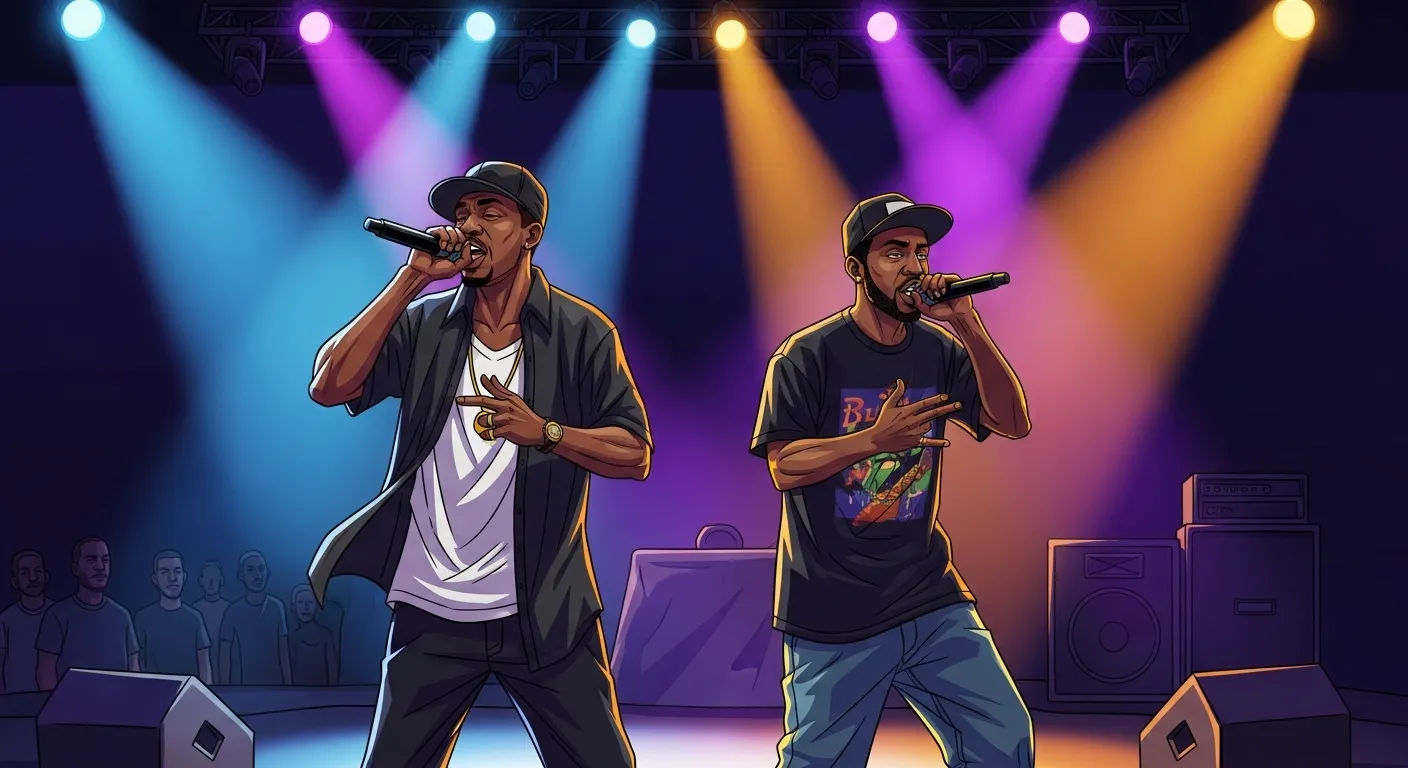
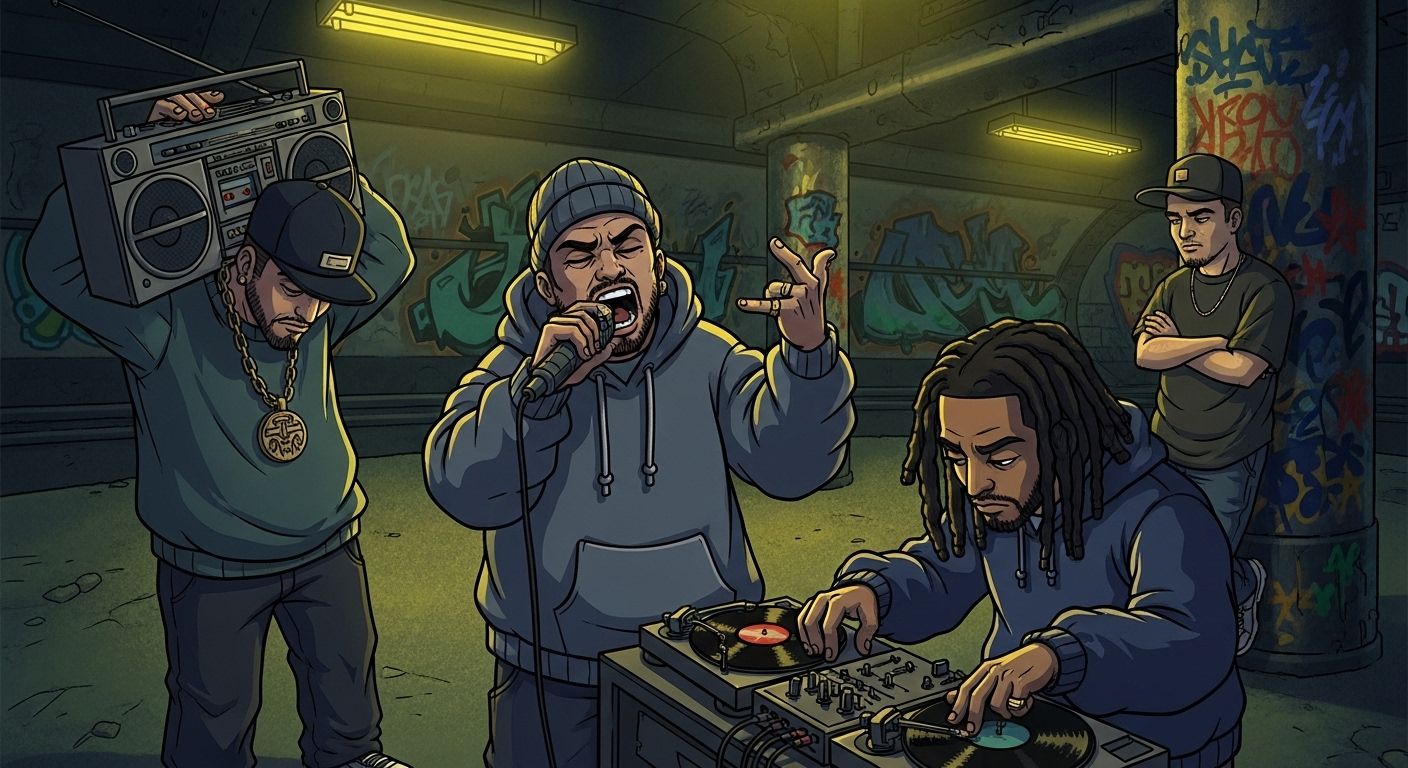
Yo, ever caught yourself vibin’ to a track on SoundCloud that’s got more soul than your grandma’s Sunday stew—but the artist’s got like, what, 87 monthly listeners? That right there, fam, might just be a hip hop underground artist. These cats aren't chasin’ streams or brand deals; they’re spittin’ truth like it’s oxygen. In a world where TikTok clout can launch or sink a career, hip hop underground artists stay rooted in the cypher, where bars matter more than followers. They’re rebels with a mic, paintin’ sonic murals on abandoned warehouses while the mainstream paints over ’em with neon ads.
The Roots of Resistance: Who Actually Kickstarted This Movement?
Let’s rewind the tape, y’all. Before Instagram Lives and viral dance challenges, hip hop underground artists were the heartbeat of the block parties in the Bronx. But if we’re talkin’ about the formal birth of the underground hip-hop ethos as a counter-movement? Shoutout to KRS-One and the whole Boogie Down Productions squad for droppin’ “By All Means Necessary” and sayin’, “Nah, we ain’t sellin’ out.” The Native Tongues crew—De La Soul, A Tribe Called Quest—they were drippin’ jazz samples and conscious rhymes while the charts were all flash and no substance. So yeah, hip hop underground artists didn’t just appear—they were forged in resistance, like lyrical blacksmiths hammerin’ out truth on the anvil of capitalism.
From Basement Bars to Global Beats: The Evolution of Sound
Back in the day, you needed a 4-track recorder and a dream. Now? You need a laptop, cracked FL Studio, and… still a dream. The beauty of hip hop underground artists is how they’ve morphed with the times without losin’ that raw edge. From MF DOOM’s labyrinthine flows to JPEGMAFIA’s glitchy, rage-fueled experiments, these artists treat the studio like a mad scientist’s lab. They ain’t worried 'bout radio play—they’re worried 'bout whether their third verse’ll make your third eye twitch. And honestly? That’s the magic. The hip hop underground artists scene ain’t static—it breathes, mutates, and sometimes spits fire so hot it melts genre lines altogether.
Regional Flavors: How Geography Shapes Underground Expression
You ever notice how a Detroit hip hop underground artist spits like they’ve got frost in their lungs and fire in their soul? Or how an Atlanta cat might weave trap cadences into abstract poetry that sounds like it was recorded in a haunted Waffle House? Geography is flavor, baby. From the dusty boom-bap of Brooklyn basements to the hazy, synth-drenched vibes of L.A. alleyways, location imprints itself on every bar. These hip hop underground artists don’t just represent—they channel the spirit of their stomping grounds, turnin’ local slang and street rhythms into global anthems for the overlooked.
Who’s Got the Crown? Debating the “Biggest” Underground Rapper
Alright, hot take time: there ain’t no single “biggest” hip hop underground artist. Why? ‘Cause the moment you crown one, the whole point of bein’ underground collapses like a bad soufflé. But if we’re playin’ pretend for a sec—names like Open Mike Eagle, Armand Hammer, or even Earl Sweatshirt post-“Some Rap Songs” float to the top. They’ve got cult followings big enough to sell out tours but small enough to still argue with fans in the comments. The beauty? The crown’s always shiftin’. Today’s SoundCloud whisperer might be tomorrow’s cult legend. That’s the fluid, beautiful chaos of hip hop underground artists—no throne, just a mic and a mission.
Playboi Carti: Underground Legend or Mainstream Mirage?
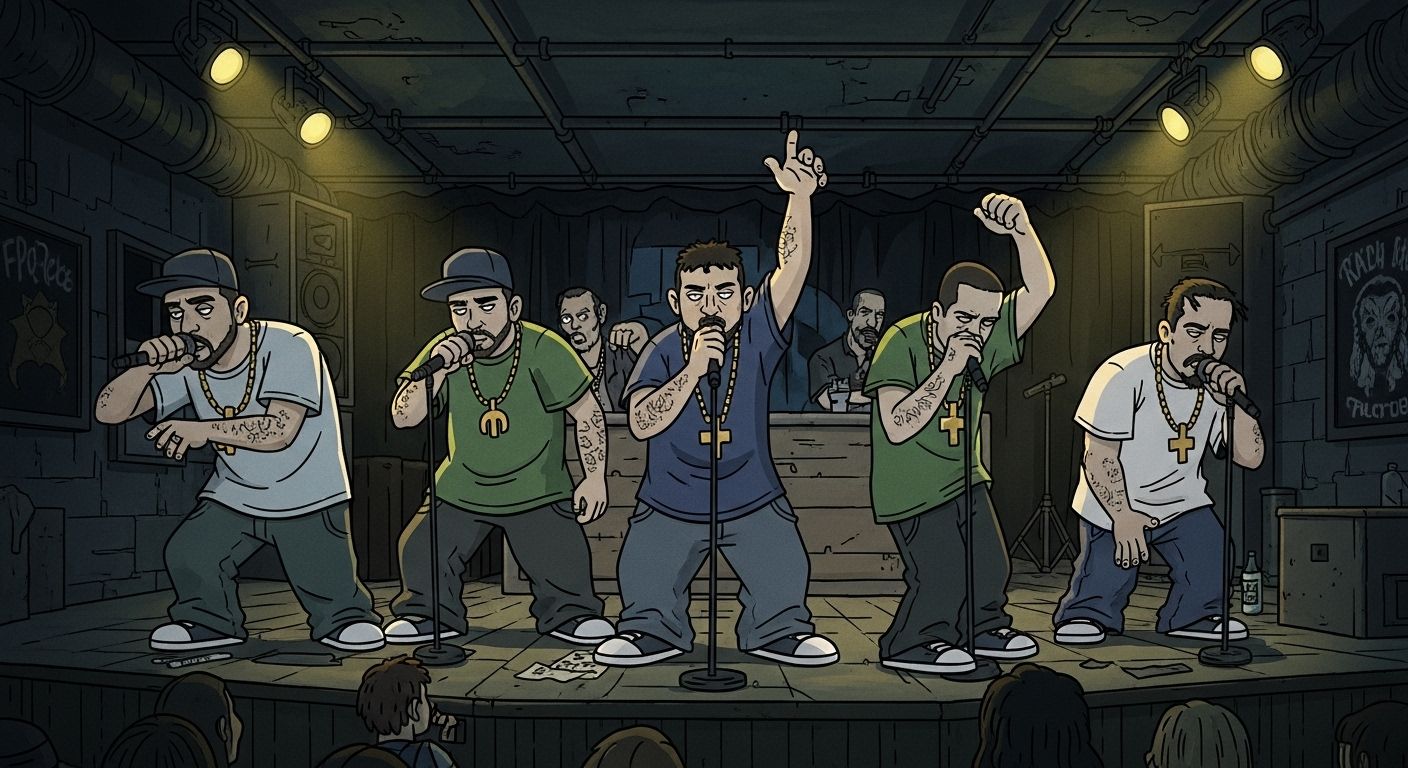
Hold up—was Playboi Carti ever really underground? Technically, yeah. Back in 2017, that self-titled mixtape dropped like a glitter bomb in a library. Critics were baffled, fans were obsessed, and the industry was like, “Wait, you can do that?” But fast-forward to “Whole Lotta Red,” collabs with Kanye, and Coachella headlinin’, and… nah. Carti’s a unicorn: he rode the underground wave straight into the stratosphere. Still, his early work? Pure hip hop underground artist energy—minimalist, hypnotic, and defiantly weird. So yeah, he started underground, but now? He’s his own category: myth, meme, and movement all in one.
The DIY Ethos: Why Independence Is the Ultimate Flex
No label? No problem. For hip hop underground artists, independence isn’t a fallback—it’s the whole damn point. They press their own vinyl, book their own shows (shoutout to DIY venues keepin’ the dream alive), and hustle merch outta backpacks after sets. This ain’t about “making it.” It’s about making meaning. And in a world where major labels wanna sanitize your soul into a 15-second hook, that autonomy is priceless. These artists treat music like a sacred ritual, not a product—and that’s why their fans ride harder than a Harley in a hurricane.
Social Media: Blessing or Curse for the Underground?
Twitter. Instagram. TikTok. Platforms that can launch a hip hop underground artist into orbit overnight—or reduce their 12-minute masterpiece to a 9-second meme. It’s a double-edged sword sharper than a barber’s straight razor. On one hand, algorithms might never favor the slow-burn brilliance of an hip hop underground artist. On the other? A single viral post can connect them to fans who’ve been thirstin’ for realness in a desert of plastic pop. The trick? Use the tools but don’t let ‘em define you. Stay weird. Stay raw. And for god’s sake, don’t let a trend dilute your message.
The Listener’s Role: How Fans Keep the Underground Alive
You ain’t just a listener—you’re a co-conspirator. Every Bandcamp purchase, every repost, every time you drag your cousin to a basement show in Bushwick… that’s fuel. The ecosystem of hip hop underground artists thrives on intimacy. No million-dollar budgets, just million-dollar moments shared between artist and audience. So when you cop that limited-run cassette or scream every word back at the stage? You’re not just supportin’—you’re part of the art itself. That’s the unspoken pact: they give truth, you give attention. Simple as that.
Beyond the Beats: Where to Dive Deeper into the Scene
Ready to go deeper than the algorithm’s feed? Start at the roots: cop some old-school tapes, dig through Discogs crates, or just hit up Raashan Net for curated deep dives. If you’re vibin’ with the hip hop underground artists wave, the Rap section’s got your back with fresh cuts and forgotten gems. And if you’re feelin’ nostalgic for when titans collabed? Peep our breakdown of Jay Z & Kanye West Songs Iconic Duets—’cause even legends had to start somewhere.
Frequently Asked Questions
What are underground hip-hop artists?
Underground hip-hop artists are independent musicians who prioritize artistic integrity over commercial success. They typically operate outside major label systems, release music through DIY channels, and cultivate dedicated niche audiences. These hip hop underground artists often explore experimental sounds, socially conscious lyrics, or raw street narratives that mainstream platforms might overlook.
Who is the biggest underground rapper?
There’s no single “biggest” underground rapper—by definition, the scene thrives on decentralization. However, figures like Earl Sweatshirt, Open Mike Eagle, and MIKE have gained significant cult followings while maintaining indie credibility. Their influence among hip hop underground artists is massive, even if their Spotify numbers won’t crack the Top 50.
Who started underground hip-hop?
While hip-hop itself began as a grassroots movement, the formal “underground” distinction emerged in the late 1980s and early 1990s as a response to commercialization. Pioneers like KRS-One, Public Enemy, and the Native Tongues collective laid the groundwork for what we now call hip hop underground artists—emphasizing message, innovation, and resistance over chart success.
Was Playboi Carti underground?
Yes—initially. Playboi Carti’s 2017 self-titled mixtape was a cult phenomenon celebrated in underground circles for its minimalist, atmospheric style. Though he’s since achieved mainstream fame, his early work embodies the spirit of hip hop underground artists: raw, unconventional, and unbound by industry norms.
References
- https://www.complex.com/music/underground-hip-hop-history
- https://pitchfork.com/features/lists-and-guides/best-underground-rappers
- https://www.vice.com/en/article/underground-hip-hop-diy-ethos
- https://www.allhiphop.com/playboi-carti-underground-to-mainstream