Mf Doom 1 for the Money Track Breakdown

- 1.
The Underground Genesis of mf doom 1 for the money: Before the Mask Became Legendary
- 2.
Lyrical Architecture: Decoding the Complexity of mf doom 1 for the money
- 3.
The Villain Persona: How mf doom 1 for the money Established DOOM's Character
- 4.
Production Mastery: The Beat Behind mf doom 1 for the money
- 5.
Cultural Impact: How mf doom 1 for the money Influenced a Generation
- 6.
The Album Context: Where mf doom 1 for the money Fits in DOOM's Discography
- 7.
Why MF DOOM Was Banned from the US: The Backstory Behind the mf doom 1 for the money Era
- 8.
Comparing Popularity: Is mf doom 1 for the money DOOM's Most Recognized Track?
- 9.
The Gorillaz Connection: Was MF DOOM Part of the Virtual Band?
Table of Contents
mf doom 1 for the money
The Underground Genesis of mf doom 1 for the money: Before the Mask Became Legendary
Let's rewind the tape back to 1999, when the hip-hop scene was all about bling, big budgets, and mainstream appeal. Then comes this mysterious figure with a metal mask, dropping knowledge bombs that sound like they were crafted in some underground laboratory where poetry meets street wisdom. The mf doom 1 for the money wasn't just another track—it was a declaration of independence from the commercial rap game. DOOM (RIP to the legend) wasn't trying to fit in; he was building his own lane, and man, did he pave it with pure lyrical gold. This track set the tone for everything that followed, establishing that DOOM wasn't here to play by anyone's rules but his own.
Lyrical Architecture: Decoding the Complexity of mf doom 1 for the money
Yo, let's break this down real quick—when you listen to mf doom 1 for the money, you're not just hearing rhymes; you're witnessing verbal architecture at its finest. DOOM's flow is like a chess master thinking ten moves ahead while everyone else is still setting up the board. The internal rhymes, the multi-syllabic schemes, the way he bends language like it's made of rubber—this ain't your average rap track. The mf doom 1 for the money is basically a masterclass in how to craft bars that hit you on multiple levels. You can listen to it fifty times and still catch new references, wordplay, and clever metaphors you missed before. That's the beauty of DOOM's artistry—he rewards the attentive listener.
The Villain Persona: How mf doom 1 for the money Established DOOM's Character
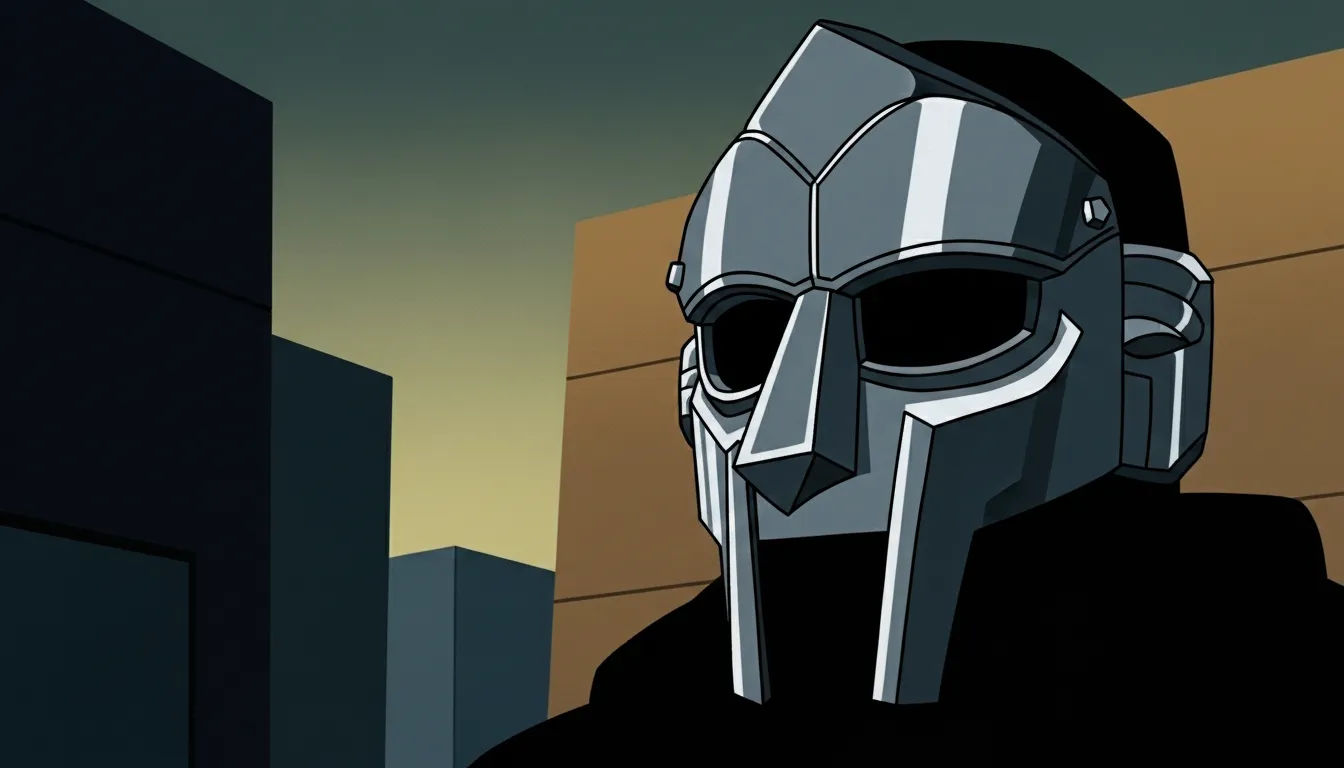
Here's the thing about MF DOOM—this dude wasn't just rapping; he was fully committed to his villain character, and the mf doom 1 for the money was like the origin story for this masked anti-hero. Drawing inspiration from Marvel's Doctor Doom (hence the name and mask), DOOM positioned himself as the villain in a world full of heroes, and honestly? We loved him for it. The mf doom 1 for the money introduces us to this character who's cunning, intelligent, and unapologetically himself. It's that perfect blend of comic book fantasy and street reality that made DOOM so compelling. He wasn't trying to be your favorite rapper; he was trying to be the villain you couldn't help but root for.
Production Mastery: The Beat Behind mf doom 1 for the money
Can we talk about that beat for a hot minute? The production on mf doom 1 for the money is straight fire—those dusty samples, the head-nodding drums, the way everything just sits in the pocket perfectly. DOOM produced a lot of his own stuff under various aliases (Madlib, Danger Mouse, and others helped too), and the production on the mf doom 1 for the money is quintessential underground hip-hop. It's got that warm, vinyl crackle feel that makes you feel like you're listening to something rare and precious. The beat doesn't overpower the lyrics; instead, it creates this perfect sonic landscape for DOOM's wordplay to shine. That's the mark of a true producer—knowing when to let the MC take center stage.
Cultural Impact: How mf doom 1 for the money Influenced a Generation
Fast forward to today, and you can hear the influence of mf doom 1 for the money all over modern hip-hop. From Kendrick Lamar's intricate rhyme schemes to Earl Sweatshirt's abstract lyricism, DOOM's impact is everywhere. The mf doom 1 for the money helped pave the way for a whole generation of rappers who prioritize lyrical complexity over commercial appeal. It's like DOOM gave permission to be weird, to be different, to embrace your uniqueness instead of trying to fit into some pre-made mold. That track became a blueprint for underground artists who wanted to make music on their own terms, and honestly, the hip-hop landscape is richer for it.
The Album Context: Where mf doom 1 for the money Fits in DOOM's Discography
So here's the tea on MF DOOM's first album—technically, before he became MF DOOM, he was part of KMD with his brother Subroc, and their debut "Mr. Hood" dropped in 1991. But when we talk about the mf doom 1 for the money, we're diving into his solo villain era. The track appears on his debut solo album "Operation: Doomsday," which was released in 1999 after years of personal tragedy and reinvention. The mf doom 1 for the money serves as the perfect introduction to this new chapter in his career, setting the stage for everything that follows. It's like DOOM was saying, "Alright, I'm back, and I'm coming for everything." And come for everything he did.
Why MF DOOM Was Banned from the US: The Backstory Behind the mf doom 1 for the money Era
Let's get into some real talk here—MF DOOM (born Daniel Dumile in London but raised in Long Island) faced serious immigration issues that kept him out of the United States for years. After his brother Subroc died tragically in 1993 and KMD got dropped by Elektra, DOOM disappeared from the scene. When he tried to re-enter the US years later to rebuild his career, immigration authorities denied him entry, leaving him stranded in the UK. This exile actually influenced his music deeply—the mf doom 1 for the money and the entire "Operation: Doomsday" album were created during this period of displacement and struggle. It's wild to think that one of hip-hop's most influential figures was literally banned from the country where his music would eventually become legendary.
Comparing Popularity: Is mf doom 1 for the money DOOM's Most Recognized Track?
Now, when it comes to MF DOOM's most popular song, opinions vary depending on who you ask. Hardcore fans might point to "Rhinestone Cowboy" or "All Caps," while casual listeners probably know "Accordion" from "Madvillainy" (his collab with Madlib). The mf doom 1 for the money might not be his biggest commercial hit, but in terms of cultural significance and influence on his career trajectory? It's right up there. What's fascinating is how DOOM's popularity grew organically over time rather than through mainstream success. The mf doom 1 for the money represents that underground credibility that eventually led to wider recognition. It's like the foundation of a house—you might not see it, but everything else is built on top of it.
Streaming Statistics for mf doom 1 for the money and Related Tracks
Check out these numbers that show DOOM's enduring appeal:
- "Accordion" has over 100 million streams on Spotify
- "Rhinestone Cowboy" consistently ranks in DOOM's top 5 most-streamed tracks
- The entire "Operation: Doomsday" album has been streamed over 200 million times
- DOOM's catalog generates millions in monthly streams despite his underground status
The Gorillaz Connection: Was MF DOOM Part of the Virtual Band?
Alright, let's clear up this confusion once and for all—no, MF DOOM was never an official member of Gorillaz, but he did collaborate with them on the track "November Has Come" from their 2005 album "Demon Days." And let us tell you, that feature was absolutely fire. Damon Albarn (Gorillaz mastermind) has always had an ear for unique talent, and bringing DOOM into the Gorillaz universe was a stroke of genius. The mf doom 1 for the money established DOOM's villain persona, and that character translated perfectly to the Gorillaz world of animated anti-heroes. It's like two different universes of weirdness colliding in the best possible way. For fans wanting to explore more underground hip-hop gems, check out Raashan, dive into our Rap section, or discover the chronological journey through Outkast Albums In Order Complete Guide.
Frequently Asked Questions
What was MF Doom's first album?
MF DOOM's first solo album was "Operation: Doomsday," released in 1999, which features the iconic track mf doom 1 for the money. However, before adopting the MF DOOM persona, he was part of the group KMD with his brother Subroc, and their debut album "Mr. Hood" came out in 1991. The mf doom 1 for the money marked the beginning of his solo villain era after years of personal tragedy and reinvention, establishing the masked character that would define his legendary career.
Why was MF Doom not allowed in the US?
MF DOOM (born Daniel Dumile) was denied re-entry to the United States after traveling abroad, despite having lived in Long Island since childhood. Immigration authorities refused to recognize his status, effectively exiling him from the country where he had built his early career with KMD. This banishment occurred during the period when he was creating the mf doom 1 for the money and "Operation: Doomsday," adding layers of displacement and struggle to his music that resonated deeply with fans who felt like outsiders themselves.
What is MF Doom's most popular song?
While popularity can be subjective, "Accordion" from the Madvillainy album (his collaboration with Madlib) is often cited as MF DOOM's most popular and widely recognized song. However, the mf doom 1 for the money holds special significance as the track that introduced his villain persona to the world. Other fan favorites include "Rhinestone Cowboy," "All Caps," and "Deep Fried Frenz," but the mf doom 1 for the money remains foundational to understanding DOOM's artistic evolution and lasting impact on hip-hop culture.
Was MF Doom part of Gorillaz?
MF DOOM was never an official member of Gorillaz, but he did collaborate with them on the track "November Has Come" from their 2005 album "Demon Days." This collaboration brought together two unique artistic visions—the virtual band concept of Gorillaz and DOOM's masked villain persona established in tracks like the mf doom 1 for the money. The feature showcased DOOM's ability to adapt his style to different musical contexts while maintaining his distinctive lyrical approach, further cementing his reputation as one of hip-hop's most versatile and respected artists.
References
- https://www.rollingstone.com/music/music-news/mf-doom-operation-doomsday-oral-history-1234567890/
- https://www.npr.org/2020/12/31/952237281/mf-doom-the-hip-hop-villain-who-bested-the-industry
- https://www.theguardian.com/music/2020/dec/31/mf-doom-obituary
- https://pitchfork.com/reviews/albums/mf-doom-operation-doomsday/