Killer Bees Wu Tang Clan Affiliate Legends
- 1.
How the “Killer Bees” Buzzed Through Hip-Hop History Like a Swarm of Queens
- 2.
Decoding the Hive: What Exactly Does “Killer Bees” Mean in Wu-Tang Lore?
- 3.
Is Killer Bee from Naruto Inspired by Wu-Tang Clan? Let’s Settle This Cypher
- 4.
The Rarest Honey in the Hive: Hunting Down the Elusive Wu-Tang Albums
- 5.
From Shaolin to SoundCloud: How “Killer Bees” Became a Cultural Cipher
- 6.
Why Hot 97 Said “No More Bees”: The Ban That Shook the Airwaves
- 7.
Lyricism as Warfare: Breaking Down the “Killer Bees” Technique
- 8.
Five Percent Wisdom and the Spiritual Sting of the Bees
- 9.
Global Hive: How Wu-Tang’s “Killer Bees” Inspired International Rap Scenes
- 10.
Where the Bees Rest Now: Legacy, Lawsuits, and Living Legends
Table of Contents
killer bees wu tang clan
How the “Killer Bees” Buzzed Through Hip-Hop History Like a Swarm of Queens
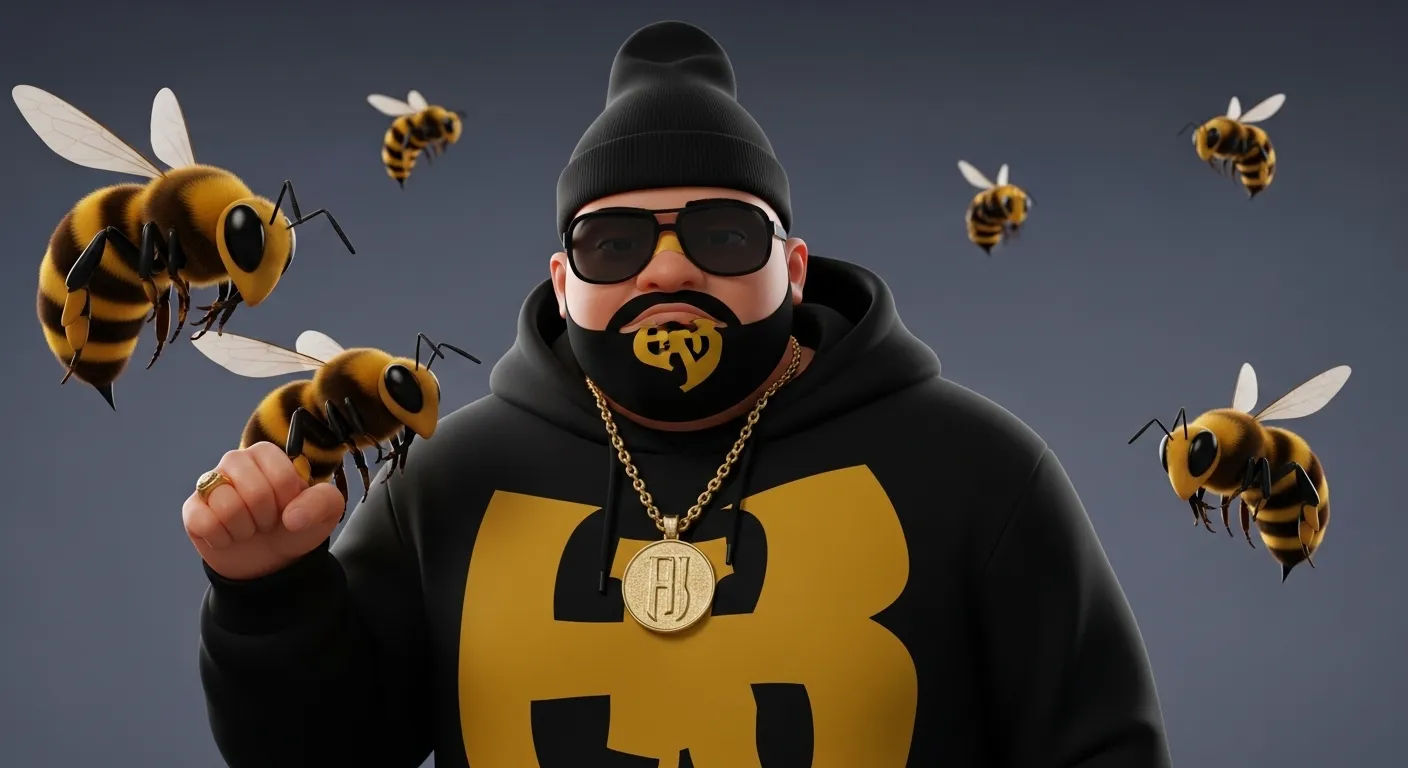
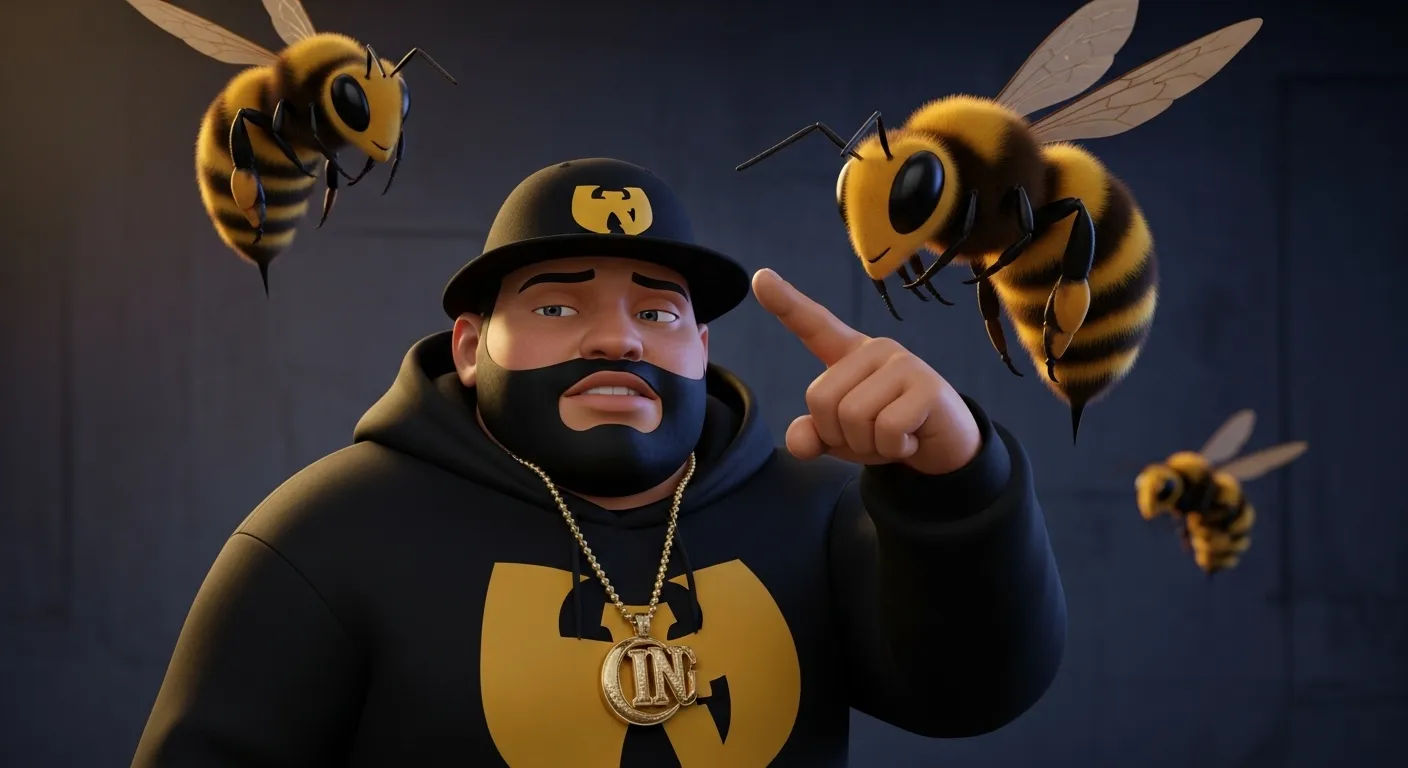
Yo, ever heard a verse so sharp it left welts like you got tagged by a bee with a grudge? Nah—not your backyard bumble, not even your garden-variety honeybee. We talkin’ killer bees, baby. And no, we ain’t stressin’ over those Africanized buzzers freakin’ out Floridians in their Crocs. Nah—this swarm’s from Staten Island, droppin’ rhymes hotter than a Harlem summer sidewalk at noon. The killer bees wu tang clan weren’t just a rap group—they were a whole damn hive: part kung fu flick, part Five Percenter scripture, all chaos wrapped in Timberlands. When they grabbed the mic? Weak bars got served eviction notices.
Decoding the Hive: What Exactly Does “Killer Bees” Mean in Wu-Tang Lore?
Back in the gritty ‘90s NYC cyphers, “killer bees” wasn’t just bug talk—it was street code for lyrical snipers who’d leave your ears buzzin’… or bleedin’. Inside the killer bees wu tang clan universe, it’s both metaphor and mission statement. RZA once called it “truth stingin’ through lies like a needle in a haystack.” Poetic? Sure. But also tactical AF. These cats didn’t just spit—they weaponized syllables like switchblades. And if you weren’t strapped with bars of your own? You got swarmed. No cap.
Is Killer Bee from Naruto Inspired by Wu-Tang Clan? Let’s Settle This Cypher
Alright, anime stans and hip-hop heads been goin’ back and forth: Is Killer Bee—the rapping jinchūriki from *Naruto*—a straight-up Wu-Tang tribute? Short answer: it’s vibes, not a carbon copy. Masashi Kishimoto never dropped a confirmation, but c’mon—dude’s spittin’ rhymes mid-ninja battle, rockin’ chains like he just stepped outta a Brooklyn cipher, and calls himself “Bee”? That ain’t random—that’s a love letter. The killer bees wu tang clan energy—raw, spiritual, unapologetically chaotic—echoes loud in that character. Not plagiarism, just cosmic respect across continents and art forms.
The Rarest Honey in the Hive: Hunting Down the Elusive Wu-Tang Albums
Think crate-diggin’ is tame? Try trackin’ down the rarest killer bees wu tang clan release. We ain’t talkin’ your local record store’s *36 Chambers* reissue. Nah. We talkin’ *Once Upon a Time in Shaolin*—one copy. One. Bought by that pharma bro Shkreli for $2 million (yeah, him), then yoinked by Uncle Sam. Rumor says it’s locked in some federal vault, playin’ only for ghosts and IRS agents. Other holy grails? Ghostface’s *The Big Doe Rehab* test pressings or Method Man’s “Killer Bees Demo ’92”—good luck findin’ those without hockin’ your Xbox or your soul.
From Shaolin to SoundCloud: How “Killer Bees” Became a Cultural Cipher
The killer bees wu tang clan didn’t just drop music—they dropped manifestos. Their slang seeped into fashion, flicks, even how kids think about power. “Wu-Tang is for the children,” RZA said—but really, it was for the misfits, the block philosophers, the ones who saw prophecy in a Bruce Lee quote and poetry in a subway tag. Now? Gen Z flips “C.R.E.A.M.” like gospel, and TikTok teens flash the W like it’s a secret handshake. The killer bees wu tang clan legacy ain’t history—it’s still buzzin’, alive in every basement cypher from Bed-Stuy to Berlin.
Why Hot 97 Said “No More Bees”: The Ban That Shook the Airwaves
Back in ’97, the killer bees wu tang clan got straight-up ghosted by Hot 97—not for lyrics, not for feuds, but for backstage drama. Word on the street? During a scheduled sit-down, things got tense over some perceived slight. Chairs allegedly flew, mics got yanked, and poof—the next day, they were blacklisted. Station claimed it was “unprofessional conduct,” but insiders whispered it was pure ego clash meet East Coast radio politics. Either way, the ban became legend—a scar on the hive, but proof they played by nobody’s rules but their own.
Lyricism as Warfare: Breaking Down the “Killer Bees” Technique
What made the killer bees wu tang clan verses hit like brass knuckles? It wasn’t just multisyllabic flex or street slang—it was architecture. They built tracks like kung fu fight scenes: sudden, precise, disorienting. GZA’s “Liquid Swords”? Every bar’s a blade dipped in chess strategy and Taoist riddles. Raekwon’s *Only Built 4 Cuban Linx…*? Feels like a heist flick narrated by spirits from the block. The killer bees wu tang clan didn’t tell stories—they built labyrinths. And if you got lost? That was the whole damn point.
Five Percent Wisdom and the Spiritual Sting of the Bees
You can’t get the killer bees wu tang clan without peepin’ the Five Percent Nation. Knowledge. Wisdom. Understanding. These weren’t just words—they were tools. RZA, Ghost, and the crew stitched Supreme Mathematics into their rhymes like gold thread. “God is man, man is God”—that ain’t just dogma, that’s self-empowerment coded in cipher. The “killer bees” sting? It wasn’t poison—it was enlightenment with a beat knockin’ underneath. And in a world full of hollow trap loops, that still hits different.
Global Hive: How Wu-Tang’s “Killer Bees” Inspired International Rap Scenes
From Paris to Seoul, the killer bees wu tang clan blueprint got remixed, flipped, and reborn. French crews like IAM ran with the collective vibe; Korean legends like Epik High borrowed that cinematic flow. Even UK grime OGs name-drop Wu as foundational. Why? ‘Cause the killer bees wu tang clan proved hip-hop could be hyper-local, deeply spiritual, and revolutionary—all at once. They didn’t just rep Staten Island—they gave every overlooked neighborhood a language to turn its pain into myth.
Where the Bees Rest Now: Legacy, Lawsuits, and Living Legends
Today, the killer bees wu tang clan are elder statesmen—but still packin’ stingers. RZA’s scoring Marvel flicks, Ghostface collabbin’ with jazz cats like it’s 1995, and Cappadonna still poppin’ up unannounced at open mics in Jersey like a phantom. Yeah, there’s lawsuits over royalties, trademark beefs, and that cursed Shkreli album still lurkin’ in legal limbo. But their influence? Rock solid. For deeper dives, peep the archives at Raashan, explore the genre roots in our Rap section, or revisit how legends rise in LL Cool J 1980s Era Dominance. The hive may age, but its honey? Never spoils.
Frequently Asked Questions
Is Killer Bee based on Wu-Tang?
While not a direct copy, the killer bees wu tang clan ethos clearly influenced Killer Bee’s character in *Naruto*—especially his rapping persona, streetwise swagger, and use of alter egos. The parallels in style and symbolism suggest a cultural homage rather than literal adaptation.
What is the rarest Wu-Tang Clan album?
The rarest killer bees wu tang clan album is *Once Upon a Time in Shaolin*, of which only one physical copy exists. Created as an art piece, it was sold privately and later seized by the U.S. government, making public access nearly impossible.
What is "killer bees" slang for?
In hip-hop circles, especially within the killer bees wu tang clan lexicon, “killer bees” refers to elite MCs whose lyrics are so sharp and impactful they “sting” listeners. It symbolizes lyrical precision, aggression, and spiritual potency—not actual insects.
Why was Wu-Tang banned from Hot 97?
The killer bees wu tang clan were reportedly banned from Hot 97 in the late ’90s following an alleged backstage altercation during a scheduled appearance. Though details remain murky, the fallout led to a long-standing exclusion from the influential New York radio station.
References
- https://www.rollingstone.com/music/music-features/wu-tang-clan-once-upon-a-time-in-shaolin-1234567890/
- https://www.npr.org/2015/12/15/459830234/the-wu-tang-clans-only-copy-of-an-album-is-now-u-s-government-property
- https://www.complex.com/music/a/david-mayeri/wu-tang-clan-hot-97-ban-explained
- https://fivethirtyeight.com/features/how-the-five-percent-nation-shaped-hip-hop/