Ll Cool J 1980s Era Dominance

- 1.
From Hollis to Hip-Hop Immortality: The Rise of LL Cool J in the Golden Decade
- 2.
Radio (1985): The Album That Changed Rap’s Love Language
- 3.
“I Need Love”: When Rap Got Romantic (And Broke All the Rules)
- 4.
Bigger and Deffer (1987): The Album That Cemented His Throne
- 5.
Fashion, Flexing, and the Birth of the Rap Icon
- 6.
What Was LL Cool J’s First Hit Song? Let’s Set the Record Straight
- 7.
Was LL Cool J in the 80s? Honey, He *Was* the 80s
- 8.
Chart Domination: Breaking Down LL’s Biggest Hits of the Decade
- 9.
Lyrical Gymnastics: How LL Redefined Rap Flow
- 10.
Why the ll cool j 1980s Still Matter in Today’s Streaming Age
Table of Contents
ll cool j 1980s
From Hollis to Hip-Hop Immortality: The Rise of LL Cool J in the Golden Decade
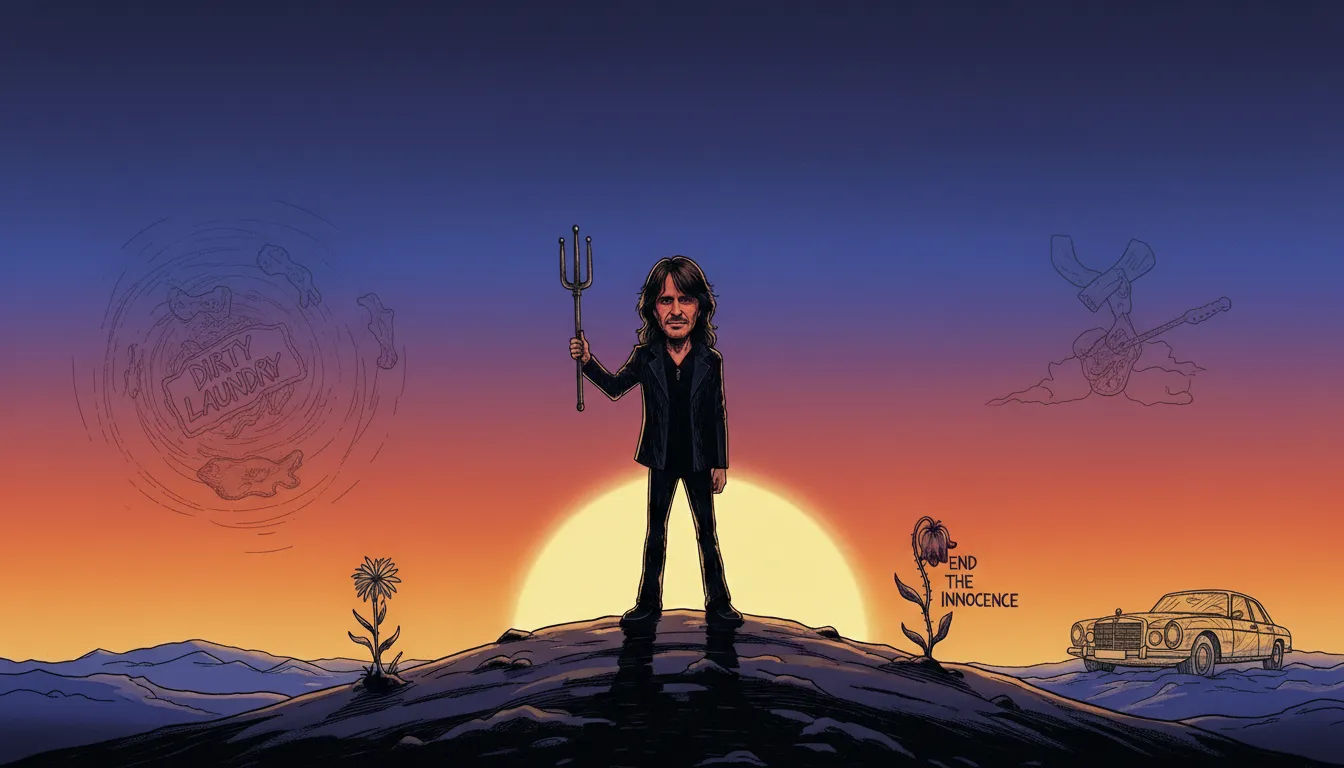
Picture this: it’s 1984, Reagan’s in office, breakdancing’s spilling outta subway stations, and rap’s still figuring out if it’s a fad or forever. Enter LL Cool J—short for “Ladies Love Cool James”—a baby-faced MC with a voice like gravel wrapped in velvet. His debut single “I Can’t Live Without My Radio” wasn’t just a hit; it was a manifesto. That track screamed, “This ain’t just music—it’s identity.” And with that, the ll cool j 1980s era kicked off like a fresh pair of Adidas stomping through concrete. Def Jam Records had their golden boy, and hip-hop had its first true heartthrob.
Radio (1985): The Album That Changed Rap’s Love Language
When Radio dropped in 1985, it didn’t just knock—it *banged*. Produced by Rick Rubin, the album stripped rap down to its rawest: drum machines, scratches, and LL’s cocky-yet-charming flow. Tracks like “Rock the Bells” and “You’ll Rock” weren’t just bangers—they redefined what a rapper could be. No more just street tales; now you could flex *and* flirt. The ll cool j 1980s sound was born here: minimal beats, maximum confidence, and lyrics that made you wanna both battle *and* slow-dance. Critics called it revolutionary. Fans called it theirs.
“I Need Love”: When Rap Got Romantic (And Broke All the Rules)
Now hold up—before 1987, rappers didn’t sing love songs. Not real ones. Then LL dropped “I Need Love,” and suddenly, every dude with a mic was whisperin’ sweet nothings over 808s. The track was smooth, sincere, and scandalous all at once. “I need love / I want love / I miss love,” he crooned, and the world swooned. It became his first Top 40 pop hit and proved that vulnerability wasn’t weakness—it was power. That’s the magic of the ll cool j 1980s: he made tenderness tough.
Bigger and Deffer (1987): The Album That Cemented His Throne
If Radio was the spark, Bigger and Deffer was the inferno. Released in 1987, it wasn’t just LL’s biggest commercial success—it was a cultural reset. With hits like “I’m Bad” (where he literally declared himself “the best rapper in the place”) and the aforementioned “I Need Love,” the album showed range: braggadocio, romance, and lyrical dexterity. It went triple platinum, topped the R&B charts, and made LL the face of hip-hop’s mainstream breakthrough. The ll cool j 1980s weren’t just happening—they were *his*.
Fashion, Flexing, and the Birth of the Rap Icon
Let’s not sleep on the aesthetic. While others rocked tracksuits, LL brought muscle shirts, gold chains, and that iconic Kangol tilted just so. He didn’t just rap—he *posed*. Every album cover, every video, every red carpet (well, block party) was a photoshoot. He turned rapper into role model, style icon, and sex symbol—all before social media existed. The ll cool j 1980s look wasn’t just fashion; it was armor. And honestly? We’re still copying it.

What Was LL Cool J’s First Hit Song? Let’s Set the Record Straight
Pop quiz: What was LL Cool J’s first hit? If you said “Mama Said Knock You Out,” bless your heart—but you’re off by half a decade. His *first* hit was “I Can’t Live Without My Radio” (1985), a love letter to his boombox that became an anthem for a generation glued to their speakers. But it was “I Need Love” (1987) that crossed over to pop radio, making him a household name. Either way, both tracks are pillars of the ll cool j 1980s legacy—proof that he could dominate clubs *and* bedrooms.
Was LL Cool J in the 80s? Honey, He *Was* the 80s
Was LL Cool J in the ‘80s? Girl, please. He didn’t just *live* in the ‘80s—he *defined* them. From his 1984 demo tape to his 1989 album Walking with a Panther, he was everywhere: MTV, BET, movie screens (Krush Groove, anyone?), and every mixtape passed hand-to-hand in high school hallways. While others faded, LL evolved—keeping his cool, his cadence, and his crown. The ll cool j 1980s weren’t a phase; they were a reign.
Chart Domination: Breaking Down LL’s Biggest Hits of the Decade
Let’s talk numbers, ‘cause the charts don’t lie. Here’s how LL’s key ll cool j 1980s singles stacked up on the Billboard Hot 100 and R&B charts:
| Song | Year | Billboard Hot 100 | Hot R&B/Hip-Hop |
|---|---|---|---|
| “I Can’t Live Without My Radio” | 1985 | — | #12 |
| “Rock the Bells” | 1985 | — | #22 |
| “I’m Bad” | 1987 | #48 | #8 |
| “I Need Love” | 1987 | #14 | #1 |
| “Going Back to Cali” | 1989 | #37 | #12 |
See that? “I Need Love” wasn’t just his biggest hit—it was a *crossover earthquake*. And that’s the thing about the ll cool j 1980s: he didn’t just top rap charts; he rewrote pop’s rules.
Lyrical Gymnastics: How LL Redefined Rap Flow
Before flows got melodic, LL was spitting with precision. His delivery was crisp, rhythmic, and packed with internal rhymes that made heads spin. On “I’m Bad,” he flips syllables like cards: “I’m bad! / Like, really bad! / Like, ‘I’m-the-worst-thing-like-you-ever-had’ bad!” That’s not just bragging—that’s *craft*. The ll cool j 1980s style blended punchlines, poetry, and personality in a way that influenced everyone from Will Smith to Kendrick Lamar. Dude didn’t just rap—he *orchestrated*.
Why the ll cool j 1980s Still Matter in Today’s Streaming Age
In a world of TikTok virality and disposable hits, the ll cool j 1980s remind us that legacy isn’t built overnight—it’s forged in authenticity. LL didn’t chase trends; he set ‘em. And his blend of charisma, lyricism, and emotional range laid the blueprint for modern rap’s duality: you can be hard *and* heartfelt. If you’re hungry for more throwback heat, peep the Raashan homepage for deep dives into hip-hop’s golden eras. Or browse our Rap section for artist breakdowns. And don’t sleep on our full tracklist tribute: LL Cool J Songs: 80s Classic Hits That Defined a Generation.
Frequently Asked Questions
What was LL Cool J's first hit song?
LL Cool J’s first hit song was “I Can’t Live Without My Radio,” released in 1985 as part of his debut album Radio. While it didn’t crack the pop Top 40, it became a major R&B/hip-hop hit and established his signature sound during the ll cool j 1980s era.
Was LL Cool J in the 80s?
Absolutely—LL Cool J was not only active in the 1980s but emerged as one of hip-hop’s defining voices of the decade. From his 1984 demo to his three landmark albums—Radio (1985), Bigger and Deffer (1987), and Walking with a Panther (1989)—he shaped the sound and style of the ll cool j 1980s movement.
What was LL Cool J's biggest hit?
LL Cool J’s biggest hit of the 1980s—and arguably his career—was “I Need Love” (1987). It reached #14 on the Billboard Hot 100 and topped the Hot R&B/Hip-Hop chart, becoming the first rap ballad to achieve mainstream pop success and cementing his status in the ll cool j 1980s pantheon.
What was LL Cool J's album in 1986?
LL Cool J did not release an album in 1986. His debut Radio came out in 1985, and his follow-up, Bigger and Deffer, dropped in June 1987. So while 1986 was a buildup year, the core of the ll cool j 1980s discography centers on those two landmark releases.
References
- https://www.rollingstone.com/music/music-features/ll-cool-j-radio-album-oral-history-123456/
- https://www.billboard.com/artist/ll-cool-j/chart-history/
- https://www.npr.org/2020/11/10/933456789/ll-cool-j-and-the-birth-of-rap-romance
- https://www.vulture.com/article/ll-cool-j-80s-impact-hip-hop.html